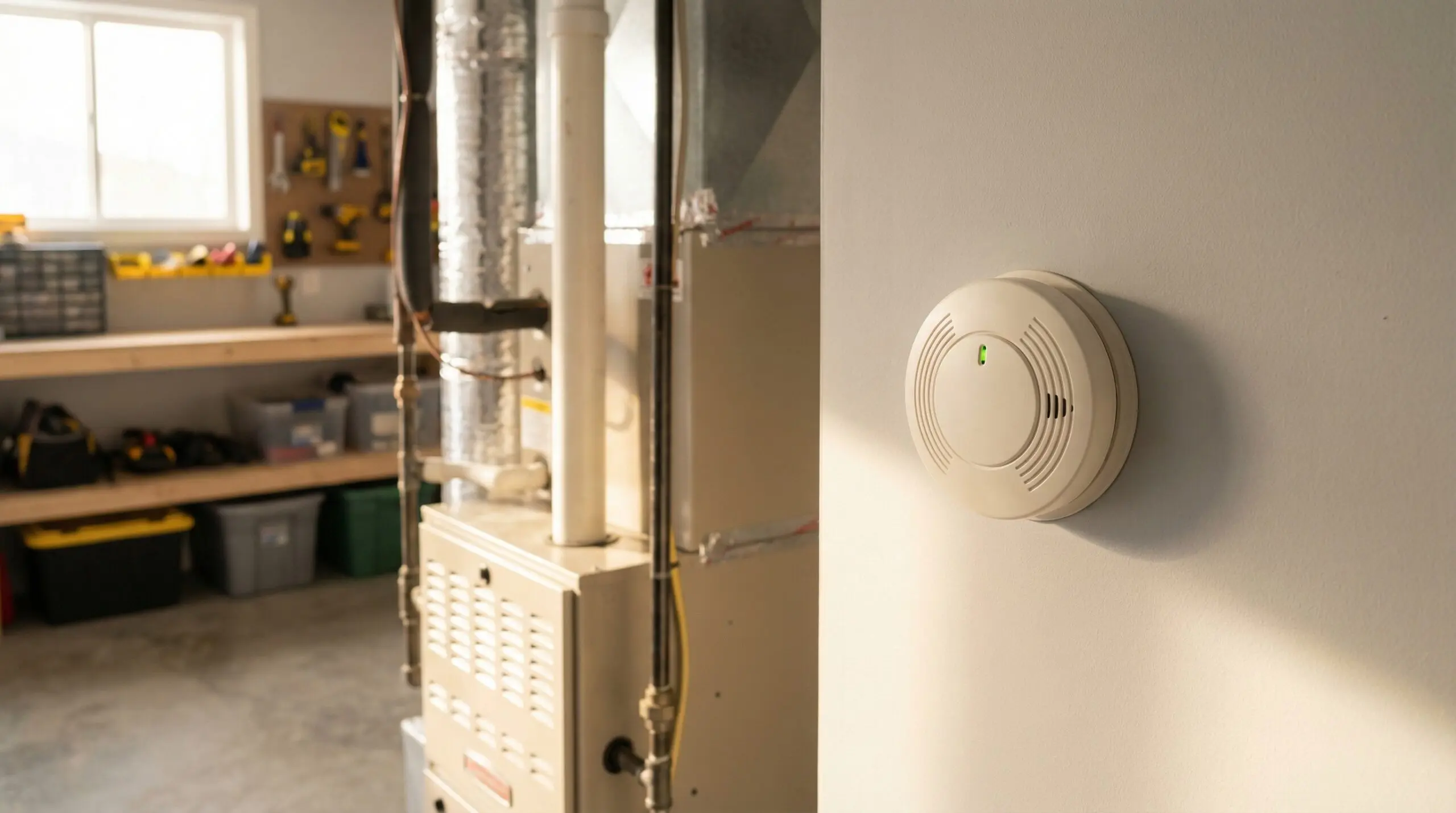
TL;DR: Carbon monoxide (CO) poisoning is a medical emergency and the leading cause of poisoning death in Canada. Hyperbaric oxygen therapy (HBOT) is the standard treatment for moderate to severe CO poisoning, working by rapidly clearing carbon monoxide from the blood and reducing the risk of delayed neurological damage. HBOT for CO poisoning is covered by provincial health insurance at hospitals across Canada. If you suspect CO poisoning, call 911 immediately.
What Is Carbon Monoxide Poisoning?
Carbon monoxide poisoning is a potentially fatal condition caused by breathing in carbon monoxide (CO), a colourless, odourless gas produced by incomplete combustion of fuels. Common sources include furnaces, water heaters, gas stoves, fireplaces, generators, car exhaust, and charcoal grills used indoors. CO binds to haemoglobin in the blood approximately 200 to 250 times more effectively than oxygen, forming carboxyhaemoglobin (COHb) and preventing the blood from carrying oxygen to tissues and organs.
In Canada, CO poisoning is a significant public health concern, particularly during winter months when heating systems are in heavy use. According to the Public Health Agency of Canada (Health Infobase), CO poisoning is responsible for an estimated 300 deaths and 200 hospitalisations per year in Canada. Symptoms range from headache, dizziness, and nausea in mild cases to confusion, loss of consciousness, seizures, and death in severe cases. One of the most dangerous aspects of CO poisoning is that symptoms can be mistaken for the flu, delaying treatment.
At Canada Hyperbarics, we maintain a directory of hospitals and regulated facilities across 9 provinces that provide emergency HBOT for CO poisoning. Carbon monoxide poisoning is one of the 14 conditions publicly funded in Canada for hyperbaric oxygen therapy and is also on the Undersea and Hyperbaric Medical Society (UHMS) Indications list (15th Edition, 2024); the two are separate, partially-overlapping reference frameworks.
How Does HBOT Treat Carbon Monoxide Poisoning?
Hyperbaric oxygen therapy (HBOT) is a medical treatment that delivers 100% oxygen at elevated atmospheric pressure inside a pressurised chamber. For CO poisoning, HBOT works through several mechanisms:
- Rapid CO elimination: At normal atmospheric pressure breathing room air, the half-life of COHb is approximately 4 to 6 hours. Breathing 100% oxygen at 1 ATA reduces this to about 90 minutes. At 2.5 to 3.0 ATA in a hyperbaric chamber, the half-life drops to approximately 20 to 25 minutes, clearing the poison dramatically faster.
- Tissue oxygenation: HBOT dissolves oxygen directly into the plasma at concentrations 10 to 15 times normal, delivering oxygen to tissues even when haemoglobin is blocked by CO.
- Neuroprotection: HBOT reduces the inflammatory cascade in the brain triggered by CO exposure, potentially preventing delayed neurological sequelae (DNS) – cognitive and neurological problems that can appear days to weeks after the initial poisoning.
- Reduced lipid peroxidation: HBOT inhibits the oxidative damage to brain lipids caused by CO-mediated inflammation.
What Does the Evidence Say About HBOT for CO Poisoning?
Carbon monoxide poisoning is one of the most well-established emergency indications for HBOT, supported by decades of clinical experience and multiple randomised controlled trials.
The landmark Weaver et al. trial published in the New England Journal of Medicine (2002) demonstrated that HBOT significantly reduced cognitive sequelae at 6 weeks and 12 months compared to normobaric oxygen therapy alone. This trial remains the foundation of current treatment guidelines (View in Canada Hyperbarics Research Database).
Based on articles retrieved from PubMed, a 2026 retrospective study found that delayed initiation of HBOT (more than 6 hours after CO exposure) was associated with a significantly lower clinical cure rate and higher incidence of delayed encephalopathy, reinforcing the importance of early treatment (DOI: 10.1186/s40001-026-04127-z).
The 2023 American Heart Association focused update on poisoning management reaffirmed HBOT as a treatment for severe CO poisoning, particularly when patients present with loss of consciousness, neurological symptoms, or carboxyhaemoglobin levels above 25% (View in Canada Hyperbarics Research Database).
A 2026 study also found that initial blood lactate levels above 2.8 mmol/L at hospital admission were predictive of the need for HBOT, with 64% sensitivity and 73% specificity, offering emergency physicians a practical triage tool (DOI: 10.7754/Clin.Lab.2025.250466).
When Is HBOT Recommended for CO Poisoning?
Not every CO exposure requires HBOT. Current guidelines recommend HBOT for patients who meet one or more of the following criteria:
| Criteria | Details |
|---|---|
| Loss of consciousness | Any period of unconsciousness during or after exposure |
| Neurological symptoms | Confusion, ataxia, seizures, focal neurological deficits |
| COHb level | Greater than 25% (some guidelines use 15-20%) |
| Cardiac involvement | Chest pain, ECG changes, elevated troponin |
| Pregnancy | Any symptomatic CO exposure during pregnancy (COHb threshold lower at 15%) |
| Persistent symptoms | Ongoing symptoms after 4-6 hours of normobaric oxygen |
Emergency HBOT for CO poisoning is typically administered at 2.5 to 3.0 ATA for 90 to 120 minutes. Most patients require 1 to 3 sessions. Treatment should ideally begin within 6 hours of exposure, though benefit has been demonstrated even when treatment is delayed.
What Is Delayed Neurological Sequelae?
Delayed neurological sequelae (DNS) is a condition in which cognitive and neurological symptoms develop days to weeks after an apparently successful recovery from CO poisoning. Symptoms can include memory loss, difficulty concentrating, personality changes, movement disorders, and depression. DNS affects an estimated 15% to 40% of CO poisoning survivors who do not receive HBOT.
Based on articles retrieved from PubMed, a 2026 predictive model study found that comorbidities, carboxyhaemoglobin levels, and whether HBOT was continued after hospital discharge were significant factors in predicting delayed encephalopathy after CO poisoning (DOI: 10.1186/s12883-026-04714-x).
HBOT is believed to reduce the incidence of DNS by interrupting the inflammatory cascade in the brain before permanent damage occurs. The Weaver trial showed a significant reduction in cognitive sequelae in the HBOT group compared to normobaric oxygen alone.
Where Can Canadians Access Emergency HBOT for CO Poisoning?
CO poisoning is covered by provincial health insurance at hospital-based facilities across Canada. Emergency HBOT is available 24/7 at several major centres:
- Ontario: Toronto General Hospital (UHN), Hamilton General Hospital, and The Ottawa Hospital all provide 24/7 emergency HBOT. OHIP covers treatment at both hospital programs and approved independent facilities.
- Alberta: Misericordia Community Hospital in Edmonton provides 24/7 emergency HBOT. Foothills Medical Centre in Calgary also has chambers.
- Quebec: Hotel-Dieu de Levis and Hopital du Sacre-Coeur de Montreal both provide 24/7 emergency HBOT covered by RAMQ.
- British Columbia: Vancouver General Hospital provides 24/7 emergency HBOT covered by MSP.
- Nova Scotia: QEII Health Sciences Centre in Halifax provides 24/7 emergency HBOT.
- Newfoundland: Health Sciences Centre in St. John’s provides 24/7 emergency HBOT.
For a complete directory of hospitals and regulated facilities with emergency HBOT capability, use the Canada Hyperbarics facility finder with postal code search. For full province-by-province coverage details, visit our coverage guide.
How to Prevent Carbon Monoxide Poisoning
- Install CO detectors on every level of your home and near sleeping areas. Replace batteries annually.
- Service heating systems annually. Have a qualified technician inspect your furnace, water heater, and chimney before each heating season.
- Never use generators indoors. Portable generators must be operated outdoors, at least 6 metres from windows and doors.
- Never run a car in an attached garage, even with the door open.
- Never use a charcoal grill or camp stove indoors.
- Know the symptoms. Headache, dizziness, nausea, confusion, and weakness – especially if multiple people in the same building are affected simultaneously.
If your CO detector sounds or you suspect CO exposure, leave the building immediately, call 911, and do not re-enter until emergency services confirm it is safe.
Frequently Asked Questions
Is HBOT the only treatment for CO poisoning?
No. Mild CO poisoning is treated with high-flow normobaric oxygen (100% oxygen via non-rebreather mask at normal atmospheric pressure). HBOT is reserved for moderate to severe cases based on clinical criteria including loss of consciousness, neurological symptoms, high COHb levels, cardiac involvement, or pregnancy.
How quickly should HBOT be administered after CO exposure?
Ideally within 6 hours. Research shows that delays beyond 6 hours are associated with worse outcomes and higher rates of delayed encephalopathy. However, HBOT has shown benefit even when administered later, and treatment should not be withheld based solely on time elapsed.
Is HBOT for CO poisoning covered by provincial health insurance?
Yes. CO poisoning is a UHMS-recognised emergency indication and is covered at hospital-based facilities in all provinces with hyperbaric chambers. In Ontario, it is also covered at OHIP-approved independent facilities. There is no out-of-pocket cost for emergency HBOT at approved facilities.
Can CO poisoning cause permanent brain damage?
Yes. Delayed neurological sequelae (DNS) can cause lasting cognitive impairment, memory problems, personality changes, and movement disorders. HBOT is the primary treatment shown to reduce the incidence of DNS after CO poisoning.
What should I do if I suspect CO poisoning?
Leave the building immediately. Call 911. Do not re-enter until emergency services confirm safety. At the hospital, blood tests will measure your carboxyhaemoglobin level, and the emergency team will determine whether HBOT is needed based on your symptoms and test results.
Find Emergency HBOT Near You
If you or someone you know has been exposed to carbon monoxide, emergency HBOT is available at hospitals and regulated facilities across Canada. Use the Canada Hyperbarics facility finder to locate the nearest hospital with 24/7 hyperbaric capability.
References
- Weaver LK, et al. Hyperbaric oxygen for acute carbon monoxide poisoning. N Engl J Med. 2002. View in Canada Hyperbarics Research Database.
- Jia Y, et al. Predictive value of acute MRI-detected brain lesions for clinical outcome in patients with acute carbon monoxide poisoning. Eur J Med Res. 2026. DOI
- 2023 American Heart Association Focused Update on the Management of Patients with Cardiac Arrest or Life-Threatening Toxicity Due to Poisoning. View in Canada Hyperbarics Research Database.
- Gong H, et al. Predictive model for delayed encephalopathy after acute carbon monoxide poisoning. BMC Neurol. 2026. DOI
- Satilmis H, et al. Initial Lactate vs. Lactate Clearance in Predicting HBOT Requirement in CO Poisoning. Clin Lab. 2026. DOI
This content is for informational purposes only and does not constitute medical advice. Carbon monoxide poisoning is a medical emergency. Call 911 immediately if you suspect CO exposure. Hyperbaric oxygen therapy should only be administered by qualified healthcare professionals in accredited facilities. Canada Hyperbarics is an educational resource and accepts no payment from any clinic or manufacturer for listing, ranking, or promotion.