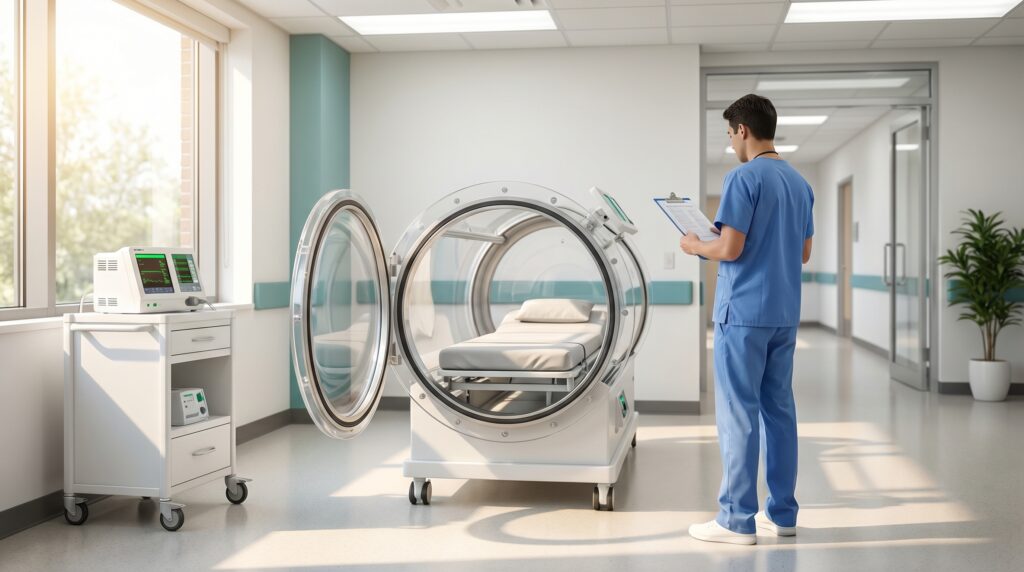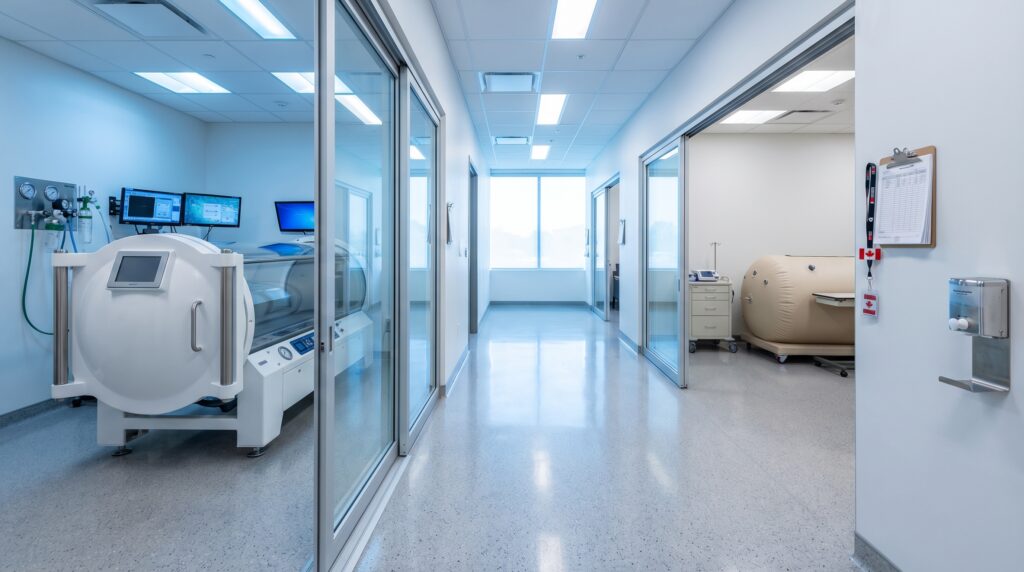
TL;DR: Mild hyperbaric oxygen therapy (mHBOT) uses pressures of 1.3 to 1.5 ATA, while standard-pressure HBOT operates at 2.0 to 2.5 ATA. According to PubMed...
TL;DR: Cancer-related fatigue is a persistent, debilitating exhaustion that affects up to 90% of cancer survivors during treatment and 30 to 40% long after treatment...
Sudden sensorineural hearing loss (SSNHL) is a rapid, unexplained hearing deficit of 30 decibels or greater across three consecutive audiometric frequencies, occurring within 72 hours...
TL;DR: Hyperbaric oxygen therapy (HBOT) for stroke recovery is an active area of research with important distinctions between acute and chronic stroke. A landmark Israeli...
TL;DR: Hyperbaric oxygen therapy (HBOT) has two distinct roles relative to radiation therapy. Before radiation, HBOT has been investigated as a radiosensitiser – increasing tumour...
TL;DR: Hyperbaric oxygen therapy (HBOT) is considered a safe medical treatment when administered in accredited facilities by trained professionals. The most common side effect is...
TL;DR: HBOT for radiation injury follows well-established clinical protocols: treatments are typically delivered at 2.0 to 2.4 ATA for 90 minutes per session, once daily...
TL;DR: A robust patient screening protocol is the foundation of safe hyperbaric oxygen therapy. This guide walks Canadian clinic owners through building a step-by-step screening...
TL;DR: Radiation proctitis is a common complication of pelvic radiation therapy that causes rectal bleeding, pain, diarrhoea, and urgency. It affects up to 20% of...