For referring and emergency physicians in Canada. Enhancement of healing in selected problem wounds is one of the 14 conditions publicly funded in Canada for hyperbaric oxygen therapy (HBOT), and it is among the most common non-emergency hyperbaric indications treated at Canadian hospital-based programmes, covered by provincial health insurance. This is an elective outpatient course, not an emergency referral: the candidate is typically a patient with a diabetic foot ulcer or other complex chronic wound that has failed to progress despite weeks of appropriate standard care. This guide summarises when to refer, how to assess the patient before referral, what the evidence supports, the Canadian referral pathway, and contraindications. It closes with the complete list of open-access research published since 2020, each linked to its free full text.
When to refer
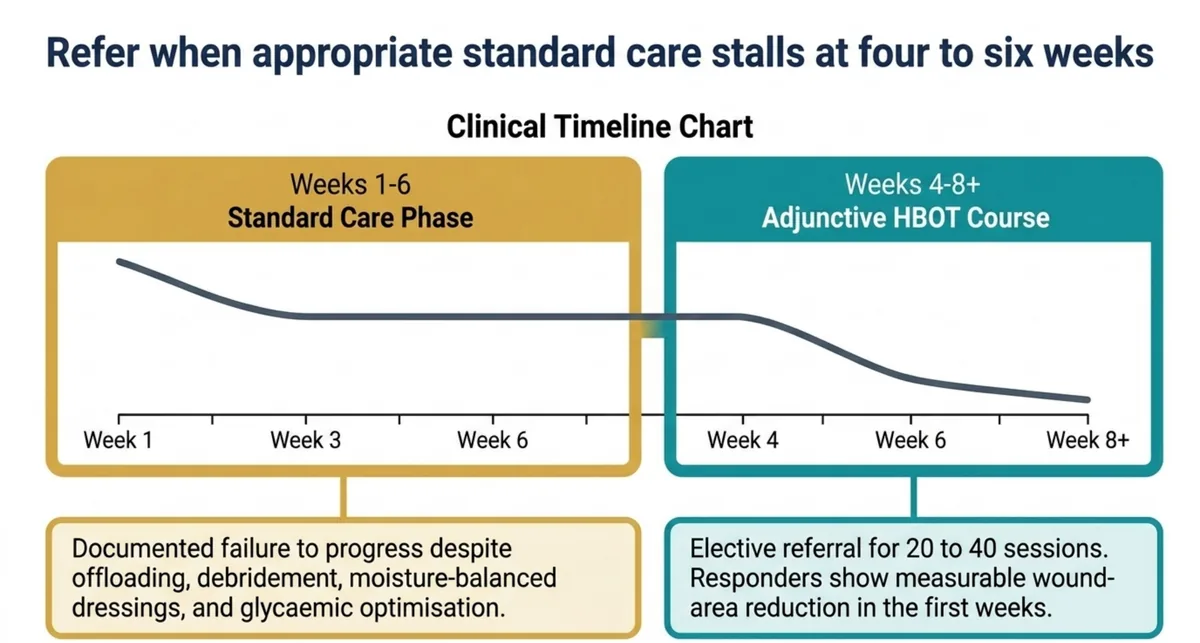
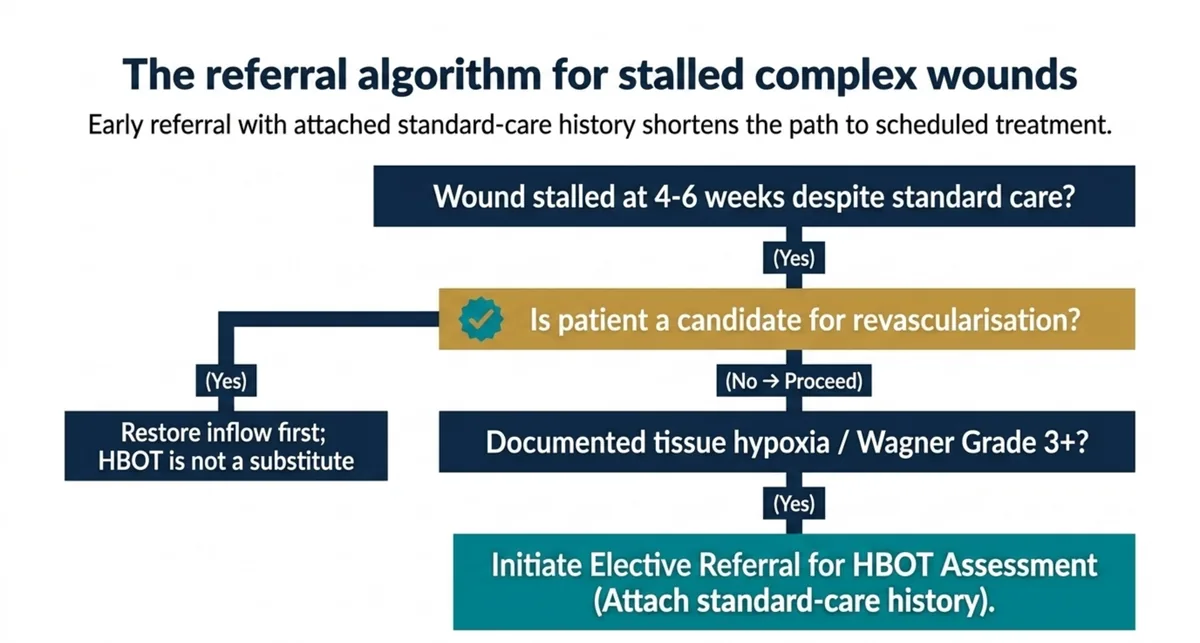
Consider referral for elective hyperbaric assessment when a patient has a chronic wound that has failed to progress through the normal healing process despite four to six weeks of appropriate standard care, and that wound falls into a pattern with a recognised hypoxic component. The strongest candidates are:
- Diabetic foot ulcers, particularly deeper Wagner grade 3 or higher lesions (deep ulcer with abscess, osteomyelitis, or extensive soft-tissue involvement) that persist despite optimised diabetes control, offloading, debridement, and infection management. Diabetic foot ulcers affect roughly 15 percent of people with diabetes over a lifetime, and the deeper grades carry the clearest evidence signal for adjunctive HBOT.
- Other complex chronic wounds with documented tissue hypoxia, including venous stasis ulcers, arterial insufficiency ulcers, and chronic post-surgical or post-traumatic wounds that have not responded to comprehensive wound care.
The shared physiological feature that defines a "problem wound" for hyperbaric purposes is local tissue hypoxia, so referral is most appropriate once the wound has demonstrably stalled and reversible factors (offloading, revascularisation candidacy, glycaemic control, infection) have been addressed. HBOT is considered when the wound is hypoxic and not responding, not as a first-line measure.
Assessing the patient before referral
Before or alongside referral, the referring clinician should:
- Confirm the wound has failed standard care. Document four to six weeks of appropriate management: debridement, offloading, moisture-balanced dressings, infection control, and glycaemic optimisation in diabetic patients.
- Assess perfusion and revascularisation candidacy. A wound that is failing primarily because of correctable large-vessel arterial disease should be considered for revascularisation first; HBOT does not substitute for restoring inflow.
- Characterise the wound and its depth. Record size, depth, Wagner grade where applicable, and the presence of exposed bone, osteomyelitis, or deep infection.
- Note diabetes status and control. Recent HbA1c and any peripheral neuropathy or peripheral arterial disease are relevant to both prognosis and the offloading plan that must continue during the course.
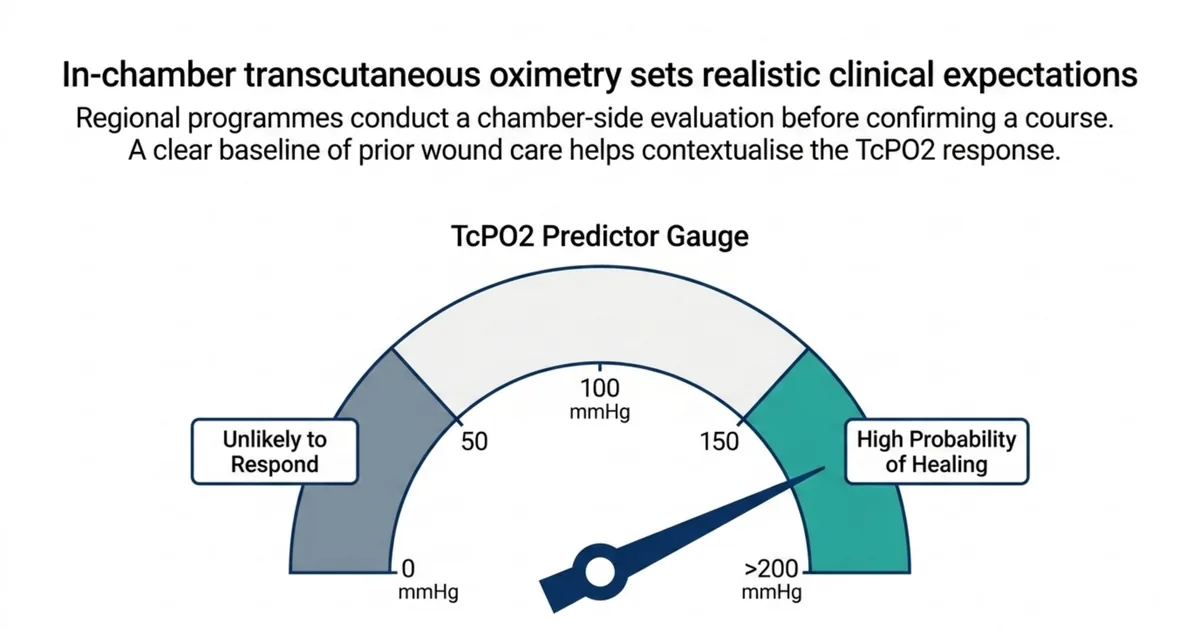
- Provide the wound-care history. Treatments already tried, duration of non-healing, prior amputations, and current dressing and offloading regimen. The hyperbaric programme uses in-chamber transcutaneous oximetry to help judge likely response, so a clear baseline is useful.
What the evidence supports
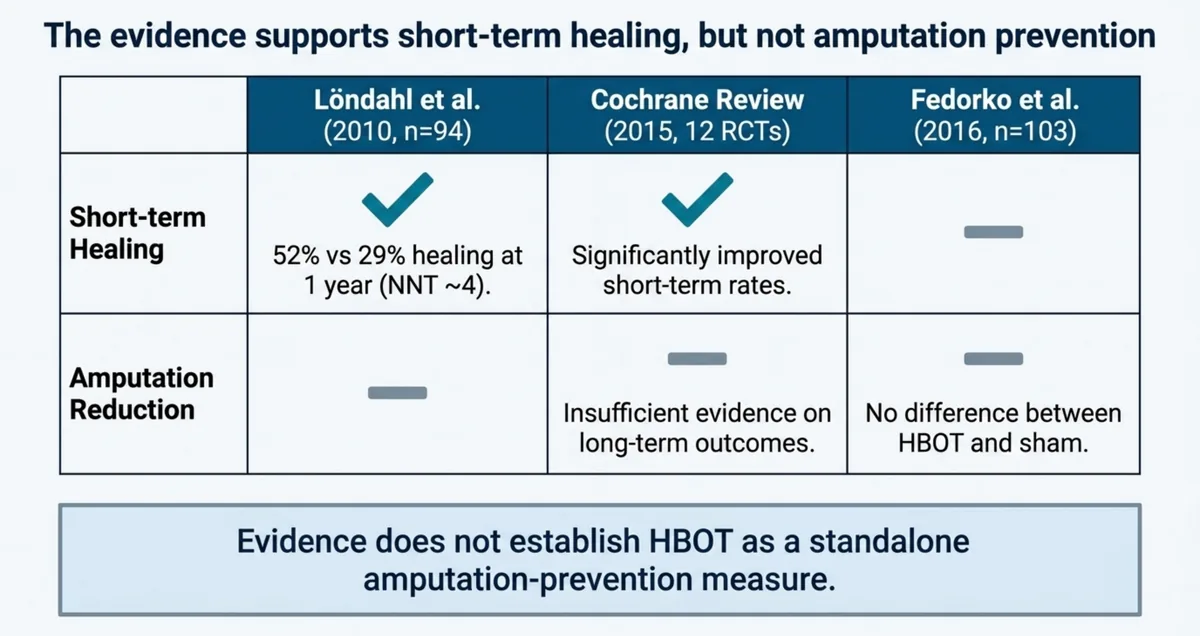
For diabetic foot ulcers, the reference randomised evidence is Löndahl et al. (Diabetes Care 2010, n=94), which reported 52 percent complete healing in the HBOT arm versus 29 percent with placebo at one year, a number-needed-to-treat of approximately 4. This trial is among the most-cited positive RCTs for adjunctive hyperbaric oxygen in chronic diabetic wounds and informs much of Canadian practice.
The systematic-review picture is consistent on short-term healing but more cautious on hard endpoints. The Cochrane review by Kranke et al. (2015, 12 RCTs, 577 participants) concluded that HBOT significantly improves short-term healing rates for diabetic foot ulcers, while finding insufficient evidence on long-term outcomes or amputation reduction. The Canadian Fedorko et al. RCT (Diabetes Care 2016, n=103) is an important counterpoint: it did not show a difference between HBOT and sham treatment in the indications for amputation. Taken together, the evidence supports accelerated short-term healing of selected diabetic foot ulcers but is mixed and does not establish HBOT as an amputation-prevention measure, and it does not replace good wound care.
The mechanistic rationale is well established. Hyperbaric oxygen is associated with stimulation of angiogenesis, restoration of neutrophil oxidative-burst activity (the oxygen-dependent mechanism by which neutrophils kill bacteria in infected tissue), enhanced fibroblast proliferation and collagen cross-linking, and improved activity of certain oxygen-dependent antibiotics. These effects address the local tissue hypoxia that defines a problem wound. Read more on the linked problem-wounds condition page.
Clinical translation
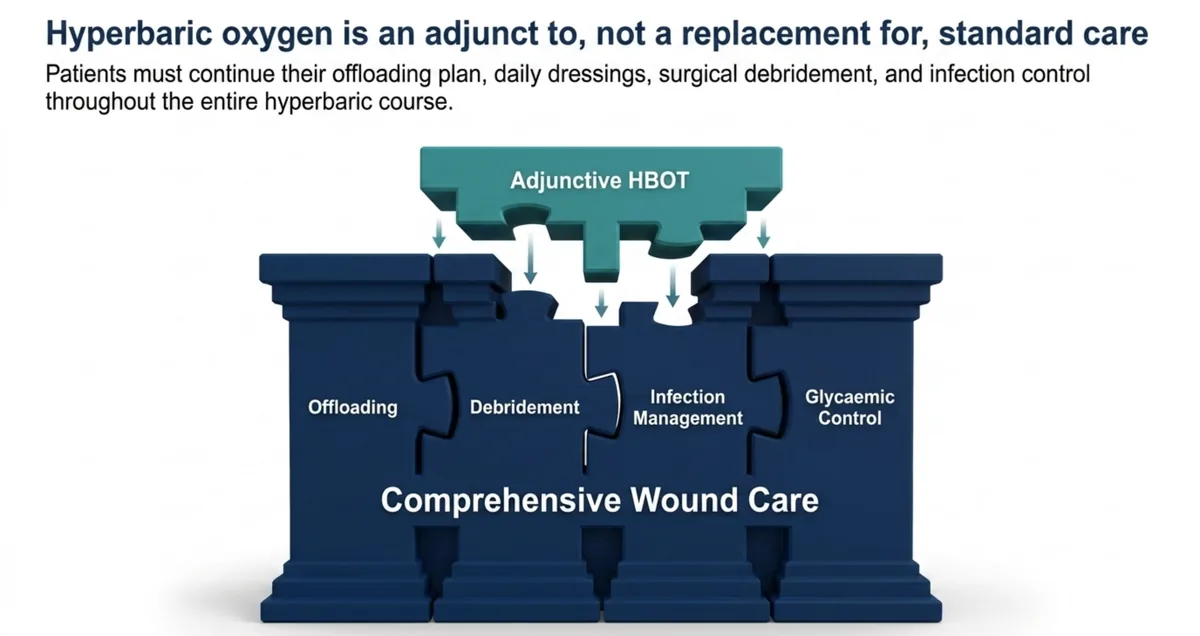
Refer the right wound at the right time. The evidence signal is strongest for deeper diabetic foot ulcers that have stalled despite genuine optimisation of standard care, and weakest when a wound has not yet had an adequate trial of offloading, debridement, infection control, and revascularisation where indicated. HBOT is an adjunct to, not a replacement for, comprehensive wound care: the patient must continue offloading, dressings, debridement, and infection management throughout the hyperbaric course. A typical course runs 20 to 40 sessions at 2.0 to 2.4 ATA, 90 to 120 minutes each, five days per week, over roughly four to eight weeks, and responders generally begin to show measurable wound-area reduction within the first weeks of treatment. In-chamber transcutaneous oximetry helps identify likely responders: TcPO2 rising above 200 mmHg in the chamber is associated with a high probability of healing, while a failure to rise above 50 mmHg suggests the wound is unlikely to respond. Setting that expectation with the patient before referral helps frame the course realistically.
The Canadian referral pathway
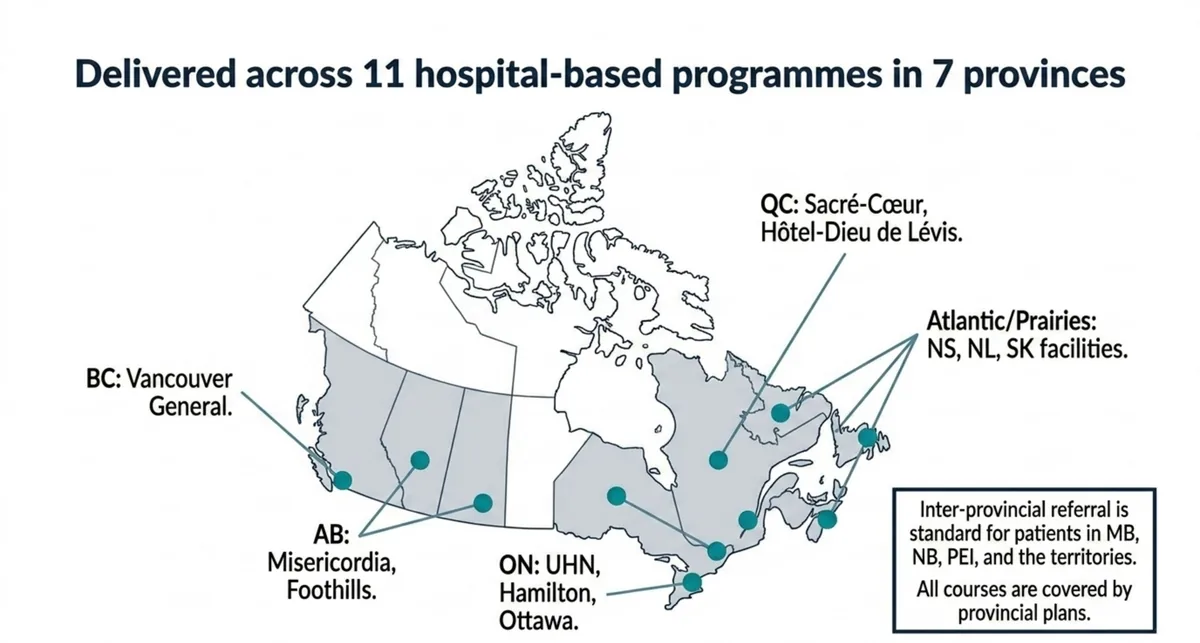
Enhancement of healing in problem wounds is an elective outpatient indication delivered at 11 Canadian hospital-based hyperbaric programmes across seven provinces and covered by the corresponding provincial plans. Unlike an emergency CO referral, this is a scheduled assessment, so refer in writing to the regional programme and expect a chamber-side evaluation (including in-chamber oximetry) before a course is confirmed.
- Ontario (OHIP): Toronto General Hospital (UHN), Hamilton General Hospital, and The Ottawa Hospital programmes accept outpatient wound referrals.
- British Columbia (MSP): Vancouver General Hospital (Leon Judah Blackmore Pavilion), the only hospital chamber in the province.
- Alberta (AHCIP): Misericordia Community Hospital (Edmonton) or Foothills Medical Centre (Calgary).
- Quebec (RAMQ): Hôpital du Sacré-Cœur de Montréal and Hôtel-Dieu de Lévis.
- Atlantic and Prairies: Nova Scotia (MSI), Newfoundland and Labrador (MCP), and Saskatchewan also cover hospital-delivered hyperbaric care, with caveats around current chamber availability in Saskatchewan since the 2021 Wigmore Hospital staffing disruption.
- Provinces without an in-province hospital programme (Manitoba, New Brunswick, PEI), and the territories (Yukon, Northwest Territories, Nunavut): patients access treatment through inter-provincial referral, most commonly to Misericordia Edmonton for prairie and territorial patients or to the Ontario hospital programmes.
Because this is an elective course rather than an emergency, the practical bottleneck is scheduling and confirming candidacy, so early referral of a stalled wound, with the standard-care history attached, shortens the path to treatment.
Contraindications and cautions
The absolute contraindications are an untreated pneumothorax, which must be drained before chamber entry, concurrent bleomycin chemotherapy, and concurrent disulfiram. Because this is an elective indication, these are firm exclusions rather than risks weighed against an acute threat, and they should be screened for at referral. Relative contraindications that warrant discussion with the hyperbaric programme include severe COPD with bullous disease, an uncontrolled seizure disorder, claustrophobia, recent middle-ear or sinus surgery, untreated dental abscesses, and uncontrolled hypertension. HBOT remains adjunctive throughout: it supplements, and never replaces, offloading, debridement, infection management, and revascularisation where indicated.
How to use the research list below
The list contains every problem-wound and diabetic-foot-ulcer study in the Canada Hyperbarics database that was published in 2020 or later and has a freely available full-text version, each linked directly to that full text. Paywalled and abstract-only studies are excluded, and retracted studies are removed. This is a reference list, not a set of summaries. Counts and the open-access set refresh each quarter.
Open-access research, 2020 to present
150 studies with a free full-text version, grouped by year, newest first. Each entry links to the full text. The set refreshes each quarter; retracted and paywalled studies are excluded.
202619 studies
- Adi S et al. Adjunctive hyperbaric oxygen therapy for chronic diabetic foot ulcer unresponsive to standard care: A case report. BioMedicine. Full text (Unpaywall) ›
- Shao W et al. Advances in clinical management of acute severe ulcerative colitis. Zhejiang Da Xue Xue Bao Yi Xue Ban. Full text (Unpaywall) ›
- Zheng X et al. Gas Therapies for Chronic Wounds: Comparative Effectiveness, Safety, and Evidence Certainty-A Systematic Review and Network Meta-Analysis. J Clin Med. Full text (Unpaywall) ›
- Nikolić D et al. Hyperbaric Oxygen Therapy for Chronic Venous Leg Ulcers: A Prospective Randomised Controlled Trial. Int Wound J. Full text (Unpaywall) ›
- González Flores JE et al. Hyperbaric Oxygen Therapy in Modern Surgical Practice: Mechanistic Basis and Clinical Applications Across Specialties. Cureus. Full text (Unpaywall) ›
- González Flores J et al. Hyperbaric Oxygen Therapy in Surgical Wound Healing and Tissue Salvage: A Structured Narrative Review. Cureus. Full text (Unpaywall) ›
- Gupta A et al. Management of heel ulcers in diabetes. Indian journal of thoracic and cardiovascular surgery. Full text (Unpaywall) ›
- Lazebnik T et al. PDE and agent based simulation approaches to Ischemic Dermal Wound Closure. PLoS One. Full text (Unpaywall) ›
- Mulders L et al. Hyperbaric oxygen therapy alters bowel perfusion and improves outcomes in patients with treatment-refractory ulcerative colitis: a prospective pilot trial. J Crohns Colitis. Full text (Unpaywall) ›
- Zhang W et al. The Adjunctive Role of Hyperbaric Oxygen Therapy in Microbial Infection-Related Conditions. Int J Med Sci. Full text (Unpaywall) ›
- Epelde F Hyperbaric oxygen in the artificial intelligence era: integration and innovation. Med Gas Res. Full text (Unpaywall) ›
- Jreije S et al. Diabetes and Delayed Wound Healing: Molecular Mechanisms and Dermatological Interventions. Int Wound J. Full text (Unpaywall) ›
- Weiss D Hyperbaric Oxygenationt for Ulcerative Graft-Versus-Host Disease: A Case Report. Clin J Oncol Nurs. Full text (Unpaywall) ›
- Gyurova-Kancheva V et al. Hyperbaric oxygen therapy of diabetic foot ulcers: a pilot study. Folia Med (Plovdiv). Full text (Unpaywall) ›
- Duong-Quy S et al. Hyperbaric Oxygen Therapy and Its Physio-Mechanical Effects on Sleep Breathing Disorder: A Systematic Review. Pulmonary therapy. Full text (Unpaywall) ›
- Astasio-Picado Á et al. Comparative Evidence on Negative Pressure Therapy and Hyperbaric Oxygen Therapy for Diabetic Foot Ulcers: A Systematic Review of Independent Effectiveness and Clinical Applicability. Medicina (Kaunas). Full text (Unpaywall) ›
- Kostyliev M et al. Hyperbaric Oxygenation of an Ozone-Containing Steam-Water Mixture as Treatment of Infected Combat Wounds of the Limbs With Antibiotic-Resistant Microflora. Int Wound J. Full text (Unpaywall) ›
- Mondal NS et al. Unraveling the Mechanisms of Diabetic Wounds: Insights into Pathogenesis and Advanced Treatment Strategies. Current diabetes reviews. Full text (Unpaywall) ›
- Muroya D et al. The Effects of Hyperbaric Oxygen Therapy in Postoperative Patients with Ulcerative Colitis: A Retrospective Study. Kurume Med J. Full text (Unpaywall) ›
202534 studies
- Sahay S et al. The Efficacy of Adjuvant Hyperbaric Oxygen Therapy in Chronic Wound Management: A Narrative Review. Cureus. Full text (Unpaywall) ›
- Zwoliński M et al. The Supporting Role of Hyperbaric Oxygen Therapy in Atopic Dermatitis Treatment. Journal of clinical medicine. Full text (Unpaywall) ›
- Mackay K et al. The role of hyperbaric oxygen therapy in the treatment of diabetic foot ulcers - A literature review. Journal of diabetes and its complications. Full text (Unpaywall) ›
- Research group RETRACTION: Effect of Hyperbaric Oxygen Treatment on Diabetic Foot Ulcers: A Meta-Analysis. International wound journal. Full text (Unpaywall) ›
- Research group RETRACTION: Quality of Evidence Supporting the Role of Hyperbaric Oxygen Therapy for Diabetic Foot Ulcers. International wound journal. Full text (Unpaywall) ›
- Research group RETRACTION: Application of Hyperbaric Oxygen Therapy in Diabetic Foot Ulcers: A Meta-Analysis. International wound journal. Full text (Unpaywall) ›
- Hu X et al. Comparison of the efficacy of 12 interventions in the treatment of diabetic foot ulcers: a network meta-analysis. PeerJ. Full text (Unpaywall) ›
- Research group RETRACTION: Efficacy and Safety of Hyperbaric Oxygen Therapy in the Management of Diabetic Foot Ulcers: A Systematic Review and Meta-Analysis. International wound journal. Full text (Unpaywall) ›
- Zotikov D et al. Biological Nanoparticles for Enhancing Chronic Wound Regeneration. Cells. Full text (Unpaywall) ›
- Kasha S et al. Gas-based therapies in chronic wounds: A scoping review of preclinical and clinical data. Eur J Pharm Biopharm. Full text (Unpaywall) ›
- Oley M et al. A descriptive retrospective study on the various uses of hyperbaric oxygen therapy. Int Marit Health. Full text (Unpaywall) ›
- Wu Z et al. Prodigiosin Loaded SN-PB@PG NPs-Based Multimodal Therapy for the Healing of Bacterial Infected Chronic Wounds. Advanced healthcare materials. Full text (Unpaywall) ›
- Zhang Y et al. A systematic review and meta-analysis of treatment modalities and their impact on the healing progression of diabetic foot ulcers. International journal of burns and trauma. Full text (Unpaywall) ›
- Aditya C et al. A comprehensive review on diabetic foot ulcer addressing vascular insufficiency, impaired immune response, and delayed wound healing mechanisms. Frontiers in pharmacology. Full text (Unpaywall) ›
- Chen ZM et al. Research progress on hyperbaric oxygen therapy for refractory peptic ulcer disease. Frontiers in medicine. Full text (Unpaywall) ›
- Sun R et al. Update on the impact of lipid and glucose control on diabetic wound healing. Metabolism open. Full text (Unpaywall) ›
- Siewe N et al. Modeling treatment of diabetic wounds with oxygen therapy and senolytic drug. Sci Rep. Full text (Unpaywall) ›
- Yang J et al. Comparative efficacy of gas therapy for diabetic foot ulcers using network meta-analysis. PeerJ. Full text (Unpaywall) ›
- Pasek J et al. Comparison of the therapeutic effects in patients with venous leg ulcers treated with routine therapy supplemented by topical hyperbaric oxygen therapy or routine therapy only, basing on the measurement of selected inflammatory markers and blood coagulation parameters: a retrospective study. Postepy dermatologii i alergologii. Full text (Unpaywall) ›
- Riansrithongkham T et al. Efficacy of hyperbaric oxygen therapy combine with negative pressure wound therapy in chronic wound: A randomized controlled trial. JPRAS open. Full text (Unpaywall) ›
- Iida A et al. Successful Treatment of Refractory Bilateral Leg Ulcers With an Adsorptive Blood-Purification Device. Plastic and reconstructive surgery. Global open. Full text (Unpaywall) ›
- Chen P et al. Comparative Efficacy of Silicone Sheets and Hyperbaric Oxygen Therapy in Post-Surgical Scar Prevention: A Prospective Observational Study. Int J Med Sci. Full text (Unpaywall) ›
- Scheinkman R et al. The Dermatology of Recreational Scuba Diving: A Narrative Review. Int J Dermatol. Full text (Unpaywall) ›
- Martins-Mendes D et al. Microvascular, Biochemical, and Clinical Impact of Hyperbaric Oxygen Therapy in Recalcitrant Diabetic Foot Ulcers. Cells. Full text (Unpaywall) ›
- Damineni U et al. Clinical Outcomes of Hyperbaric Oxygen Therapy for Diabetic Foot Ulcers: A Systematic Review. Cureus. Full text (Unpaywall) ›
- Tateda T et al. Successful treatment with hyperbaric oxygen therapy for ulcerative esophageal stricture after chemoradiotherapy: A case report. DEN Open. Full text (Unpaywall) ›
- Parveen K et al. Comprehensive review on diabetic foot ulcers and neuropathy: Treatment, prevention and management. World journal of diabetes. Full text (Unpaywall) ›
- Benix L et al. The Impact of Adjunct Hyperbaric Oxygen Therapy on Healing Diabetic Foot Ulcers: A Retrospective Case-Control Study at a Tertiary Care Center. Cureus. Full text (Unpaywall) ›
- Sharma S et al. Evaluating the Effectiveness and Safety of Theruptor Novo Dressing Pad in Managing Diabetic Foot Ulcer: A Prospective Study. Cureus. Full text (Unpaywall) ›
- Zaman T et al. Hyperbaric Oxygen Therapy as an Effective Adjunctive Treatment in the Reconstruction of Tissue Defects With Graft in Diabetic Foot Patients: A Retrospective Cohort Study. Int Wound J. Full text (Unpaywall) ›
- Nguyen N et al. Results of treating patients with diabetic foot ulcers with hyperbaric oxygen. Int Marit Health. Full text (Unpaywall) ›
- Oley M et al. The effect of hyperbaric oxygen therapy on hypospadias reconstruction: a preliminary randomized controlled trial study of VEGF levels and HOPE score analysis. Arch Ital Urol Androl. Full text (Unpaywall) ›
- Pelly T et al. Systematic review: The management of unhealed wounds and persistent perineal sinuses following proctectomy in inflammatory bowel disease. Techniques in coloproctology. Full text (Unpaywall) ›
- Gong J et al. Comparative efficacy and safety of non-pharmacological nursing interventions for diabetic foot ulcers: a systematic review and network meta-analysis. BMC nursing. Full text (Unpaywall) ›
202421 studies
- Nguyen Thi Hai H et al. Results of treating patients with cellulitis by hyperbaric oxygen: a case-control study. Int Marit Health. Full text (Unpaywall) ›
- Demir L et al. Use of hyperbaric oxygen therapy in severe earthquake injuries. Ulus Travma Acil Cerrahi Derg. Full text (Unpaywall) ›
- Yu E et al. Photodynamic Therapy Healing a Refractory Radiation-Induced Ulcer on the Chest Wall Postmastectomy Radiotherapy for Breast Cancer: A Case Report and Literature Overview. Cureus. Full text (Unpaywall) ›
- OuYang H et al. Effects of different treatment measures on the efficacy of diabetic foot ulcers: a network meta-analysis. Frontiers in endocrinology. Full text (Unpaywall) ›
- Brouwer RJ et al. Economic analysis of hyperbaric oxygen therapy for the treatment of ischaemic diabetic foot ulcers. Diving and hyperbaric medicine. Full text (Unpaywall) ›
- Oley MH et al. Hyperbaric Oxygen Therapy for Diabetic Foot Ulcers Based on Wagner Grading: A Systematic Review and Meta-analysis. Plastic and reconstructive surgery. Global open. Full text (Unpaywall) ›
- Torabi E et al. Exploring Photobiomodulation Therapy and Regenerative Medicine for Diabetic Foot Ulcers: Pathogenesis and Multidisciplinary Treatment Approach. Journal of lasers in medical sciences. Full text (Unpaywall) ›
- Highton P et al. Non-pharmacological interventions to improve cardiovascular risk factors in people with diabetic foot disease: A systematic review and meta-analysis. Diabetes research and clinical practice. Full text (Unpaywall) ›
- Apolo-Arenas MD et al. Use of the Hyperbaric Chamber Versus Conventional Treatment for the Prevention of Amputation in Chronic Diabetic Foot and the Influence on Fitting and Rehabilitation: A Systematic Review. International journal of vascular medicine. Full text (Unpaywall) ›
- Demirkol D et al. Prediction of amputation risk of patients with diabetic foot using classification algorithms: A clinical study from a tertiary center. Int Wound J. Full text (Unpaywall) ›
- Pérez-Vielma NM et al. The effect of hyperbaric oxygen therapy on oxidative stress and inflammation in patients with diabetic foot ulcers: A preliminary study. Heliyon. Full text (Unpaywall) ›
- Hennessey M et al. Hyperbaric Oxygen Enabled a Transition to Oral Steroids in an Acute Severe Ulcerative Colitis Flare. Crohns Colitis 360. Full text (Unpaywall) ›
- Gounden V et al. Hydrogels and Wound Healing: Current and Future Prospects. Gels (Basel, Switzerland). Full text (Unpaywall) ›
- Myrthong AL et al. Hyperbaric Oxygen Therapy Combined With Standard Wound Care Versus Standard Wound Care Alone in Patients With Diabetic Foot Ulcers: A Prospective Comparative Study. Cureus. Full text (Unpaywall) ›
- Chen P et al. Effectiveness of interventions to enhance healing of chronic foot ulcers in diabetes: A systematic review. Diabetes Metab Res Rev. Full text (Unpaywall) ›
- Ogbeide OA et al. Evolving Trends in the Management of Diabetic Foot Ulcers: A Narrative Review. Cureus. Full text (Unpaywall) ›
- Kwee E et al. Adjunctive hyperbaric oxygen therapy in the management of severe lower limb soft tissue injuries: a systematic review. Eur J Trauma Emerg Surg. Full text (Unpaywall) ›
- Dulai P et al. Clinical Trial Design Considerations for Hospitalised Patients With Ulcerative Colitis Flares and Application to Study Hyperbaric Oxygen Therapy in the NIDDK HBOT-UC Consortium. Aliment Pharmacol Ther. Full text (Unpaywall) ›
- Wang Y et al. Bibliometric analysis of systematic review and meta-analysis on diabetic foot ulcer. Heliyon. Full text (Unpaywall) ›
- Yin Y et al. Hyperbaric oxygen therapy promotes the browning of white fat and contributes to the healing of diabetic wounds. International wound journal. Full text (Unpaywall) ›
- Ercan E et al. The effect of hyperbaric oxygen therapy on hematological indices and biochemical parameters in patients with diabetic foot. Medicine. Full text (Unpaywall) ›
202325 studies
- Zhou D et al. The Role of Hyperbaric Oxygen Therapy in the Treatment of Surgical Site Infections: A Narrative Review. Medicina (Kaunas, Lithuania). Full text (Unpaywall) ›
- Keohane C et al. Hyperbaric Oxygen as an Adjunct in the Treatment of Venous Ulcers: A Systematic Review. Vascular and endovascular surgery. Full text (Unpaywall) ›
- Bes M et al. Treatment of Fournier's gangrene with negative pressure wound therapy in the course of sepsis - Case report. International journal of surgery case reports. Full text (Unpaywall) ›
- Ulusoy S et al. Analysis of wound types and wound care methods after the 2023 Kahramanmaras earthquake. Joint diseases and related surgery. Full text (Unpaywall) ›
- Pasek J et al. Topical Hyperbaric Oxygen Therapy Versus Local Ozone Therapy in Healing of Venous Leg Ulcers. Int J Environ Res Public Health. Full text (Unpaywall) ›
- Oyebode O et al. Current Therapeutic Modalities for the Management of Chronic Diabetic Wounds of the Foot. J Diabetes Res. Full text (Unpaywall) ›
- Rodriguez-Valera A et al. Hyperbaric oxygenation therapy improve recovery in early or late vascular occlusion generates by tissue fillers. J Cosmet Dermatol. Full text (Unpaywall) ›
- Alshurafa A et al. Sickle cell leg ulcer successfully managed by hyperbaric oxygen: a case report. Frontiers in medicine. Full text (Unpaywall) ›
- Popescu V et al. Chronic Wound Management: From Gauze to Homologous Cellular Matrix. Biomedicines. Full text (Unpaywall) ›
- Lalieu RC et al. Hyperbaric Oxygen Therapy for Nonhealing Wounds-A Long-term Retrospective Cohort Study. Advances in skin & wound care. Full text (Unpaywall) ›
- Brown D et al. Spider Bite Wound Care and Review of Traditional and Advanced Treatment Options. Fed Pract. Full text (Unpaywall) ›
- Wang D et al. Metal-Phenolic Networks for Chronic Wounds Therapy. Int J Nanomedicine. Full text (Unpaywall) ›
- Zhao XP et al. Knowledge mapping of diabetic foot research based on Web of Science database: A bibliometric analysis. Medicine. Full text (Unpaywall) ›
- Edek YC et al. Topical Insulin Application in the Management of Resistant Leg Ulcers in a Patient With Prolidase Deficiency: A Case Report. Cureus. Full text (Unpaywall) ›
- Leite CBG et al. Revisiting the role of hyperbaric oxygen therapy in knee injuries: Potential benefits and mechanisms. Journal of cellular physiology. Full text (Unpaywall) ›
- Vahabi A et al. Safe Use of Hyperbaric Oxygen Therapy in the Treatment of Diabetic Foot Ulcers: A Multidisciplinary Approach to Minimize Adverse Effects. Interdisciplinary perspectives on infectious diseases. Full text (Unpaywall) ›
- Pasek J et al. Application of Topical Hyperbaric Oxygen Therapy and Medical Active Dressings in the Treatment of Arterial Leg Ulcers-A Pilot Study. Sensors (Basel, Switzerland). Full text (Unpaywall) ›
- Uçkay I et al. Influence of Skin Commensals on Therapeutic Outcomes of Surgically Debrided Diabetic Foot Infections-A Large Retrospective Comparative Study. Antibiotics (Basel). Full text (Unpaywall) ›
- Karahan HG et al. The effect of comorbid factors and amputation level on mortality in geriatric patients with diabetic foot. Joint diseases and related surgery. Full text (Unpaywall) ›
- Canha F et al. The use of innovative targeted angiogenic therapies for ischemic diabetic foot ulcer repair: From nanomedicine and microRNAs toward hyperbaric oxygen therapy. Porto biomedical journal. Full text (Unpaywall) ›
- Han X et al. Oxygenated Wound Dressings for Hypoxia Mitigation and Enhanced Wound Healing. Molecular pharmaceutics. Full text (Unpaywall) ›
- Bai Z et al. Effect of hyperbaric oxygen therapy on the patients with venous leg ulcer: A systematic review and meta-analysis. Asian journal of surgery. Full text (Unpaywall) ›
- He Y et al. Oxygen-releasing biomaterials for chronic wounds breathing: From theoretical mechanism to application prospect. Materials today. Bio. Full text (Unpaywall) ›
- Capó X et al. Hyperbaric Oxygen Therapy Reduces Oxidative Stress and Inflammation, and Increases Growth Factors Favouring the Healing Process of Diabetic Wounds. International journal of molecular sciences. Full text (Unpaywall) ›
- Pasek J et al. Quality of Life in Patients with Venous Leg Ulcers Treated by Means of Local Hyperbaric Oxygen Therapy or Local Ozone Therapy-A Single Center Study. Medicina (Kaunas, Lithuania). Full text (Unpaywall) ›
202210 studies
- Hartman-Petrycka M et al. Taste perception and food preferences in patients with diabetic foot ulcers before and after hyperbaric oxygen therapy. Nutrition & diabetes. Full text (Unpaywall) ›
- Pasek J et al. Local Hyperbaric Oxygen Therapy in the Treatment of Diabetic Foot Ulcers. International journal of environmental research and public health. Full text (Unpaywall) ›
- Gonzalez CG et al. The Host-Microbiome Response to Hyperbaric Oxygen Therapy in Ulcerative Colitis Patients. Cellular and molecular gastroenterology and hepatology. Full text (Unpaywall) ›
- Srivastava P et al. A Review of Immunomodulatory Reprogramming by Probiotics in Combating Chronic and Acute Diabetic Foot Ulcers (DFUs). Pharmaceutics. Full text (Unpaywall) ›
- Au-Yeung KL et al. Effect of enriched oxygen inhalation on lower limb skin temperatures in diabetic and healthy humans: a pilot study. Diving and hyperbaric medicine. Full text (Unpaywall) ›
- Zhao PX et al. Effect of hydrogen intervention on refractory wounds after radiotherapy: A case report. World journal of clinical cases. Full text (Unpaywall) ›
- Biggs A et al. Alternative Uses of Hyperbaric Oxygen Therapy in Military Medicine: Current Positions and Future Directions. Mil Med. Full text (Unpaywall) ›
- Ruemenapf G et al. Therapeutic Alternatives in Diabetic Foot Patients without an Option for Revascularization: A Narrative Review. Journal of clinical medicine. Full text (Unpaywall) ›
- Venkataseshan J et al. Hyperbaric oxygen therapy and chemokine administration - a combination with potential therapeutic value for treating diabetic wounds. World journal of diabetes. Full text (Unpaywall) ›
- Firlar I et al. Functional Hydrogels for Treatment of Chronic Wounds. Gels. Full text (Unpaywall) ›
202125 studies
- Chen P et al. Systematic review with meta-analysis: effectiveness of hyperbaric oxygenation therapy for ulcerative colitis. Therapeutic advances in gastroenterology. Full text (Unpaywall) ›
- Lindenmann J et al. Survey of Molecular Mechanisms of Hyperbaric Oxygen in Tissue Repair. International journal of molecular sciences. Full text (Unpaywall) ›
- Luo L et al. Efficacy and safety of hyperbaric oxygen therapy for moderate-to-severe ulcerative colitis: a protocol for a systematic review and meta-analysis. BMJ open. Full text (Unpaywall) ›
- Laranjo A et al. The Effect of Hyperbaric Oxygen Therapy on Rectal Ulcers after Argon Plasma Coagulation. GE Portuguese journal of gastroenterology. Full text (Unpaywall) ›
- Oropallo AR et al. Molecular Biomarkers of Oxygen Therapy in Patients with Diabetic Foot Ulcers. Biomolecules. Full text (Unpaywall) ›
- Kara S et al. Results of hyperbaric oxygen treatment in an at-risk nasal flap following trauma. Diving and hyperbaric medicine. Full text (Unpaywall) ›
- Botsali A et al. The Beneficial Effects of Erbium:Yttrium-Aluminum-Garnet Laser in an Ulcer Caused by Lower Leg Arteriopathy. Journal of the American Podiatric Medical Association. Full text (Unpaywall) ›
- Teguh DN et al. Hyperbaric oxygen therapy for nonhealing wounds: Treatment results of a single center. Wound repair and regeneration : official publication of the Wound Healing Society [and] the European Tissue Repair Society. Full text (Unpaywall) ›
- Kaldırım H et al. Efficacy of Hyperbaric Oxygen Therapy on Central Corneal Thickness, Intraocular Pressure, and Nerve Fiber Layer in Patients with Type 2 Diabetes: A Prospective Cohort Study. Korean journal of ophthalmology : KJO. Full text (Unpaywall) ›
- Baitule S et al. A Systematic Review to Assess the Impact of Hyperbaric Oxygen Therapy on Glycaemia in People with Diabetes Mellitus. Medicina (Kaunas). Full text (Unpaywall) ›
- Oley MH et al. Predicting hyperbaric oxygen therapy success using the decision tree approach. Annals of medicine and surgery (2012). Full text (Unpaywall) ›
- Kasprzyk-Kucewicz T et al. Thermal Effects of Topical Hyperbaric Oxygen Therapy in Hard-to-Heal Wounds-A Pilot Study. International journal of environmental research and public health. Full text (Unpaywall) ›
- Boughanmi F et al. Fournier's gangrene: its management remains a challenge. Pan Afr Med J. Full text (Unpaywall) ›
- Wang W et al. Efficacy and safety evaluation of hyperbaric oxygen therapy for patients with ulcerative colitis: A protocol of systematic review and meta-analysis. Medicine. Full text (Unpaywall) ›
- Sedlacek M et al. Renal Effects of Hyperbaric Oxygen Therapy in Patients with Diabetes Mellitus: A Retrospective Study. Int J Nephrol. Full text (Unpaywall) ›
- Wadee AN et al. The influence of low- intensity laser irradiation versus hyperbaric oxygen therapy on transcutaneous oxygen tension in chronic diabetic foot ulcers: a controlled randomized trial. Journal of diabetes and metabolic disorders. Full text (Unpaywall) ›
- Smolle C et al. The History and Development of Hyperbaric Oxygenation (HBO) in Thermal Burn Injury. Medicina (Kaunas). Full text (Unpaywall) ›
- Sharma R et al. Efficacy of hyperbaric oxygen therapy for diabetic foot ulcer, a systematic review and meta-analysis of controlled clinical trials. Sci Rep. Full text (Unpaywall) ›
- Guan Y et al. Sustained oxygenation accelerates diabetic wound healing by promoting epithelialization and angiogenesis and decreasing inflammation. Science advances. Full text (Unpaywall) ›
- Dulai P et al. A Microsimulation Model to Project the 5-Year Impact of Using Hyperbaric Oxygen Therapy for Ulcerative Colitis Patients Hospitalized for Acute Flares. Dig Dis Sci. Full text (Unpaywall) ›
- Lalieu R et al. Hyperbaric Oxygen Therapy for Venous Leg Ulcers: A 6 Year Retrospective Study of Results of a Single Center. Front Med (Lausanne). Full text (Unpaywall) ›
- Suehiro K et al. Hyperbaric Oxygen Therapy Is an Effective Adjunctive Therapy to Manage Treatment-Resistant Venous Leg Ulcers. Ann Vasc Dis. Full text (Unpaywall) ›
- Frykberg RG Topical Wound Oxygen Therapy in the Treatment of Chronic Diabetic Foot Ulcers. Medicina (Kaunas, Lithuania). Full text (Unpaywall) ›
- Růžička J et al. Hyperbaric oxygen influences chronic wound healing - a cellular level review. Physiological research. Full text (Unpaywall) ›
- Costedoat I et al. Locoregional Treatments for Digital Ulcers in Systemic Sclerosis: A Systematic Review. Acta dermato-venereologica. Full text (Unpaywall) ›
202016 studies
- Boscá M et al. Recommendations of the Crohn's Disease and Ulcerative Colitis Spanish Working Group (GETECCU) for the treatment of perianal fistulas of Crohn's disease. Gastroenterol Hepatol. Full text (Unpaywall) ›
- Lalieu R et al. Hyperbaric oxygen therapy for nonischemic diabetic ulcers: A systematic review. Wound Repair Regen. Full text (Unpaywall) ›
- Biney I et al. Successful Use of Hyperbaric Oxygen as Adjunctive Therapy for a Nonhealing Venous Ulcer in a Patient with Systemic Sclerosis and Pulmonary Arterial Hypertension: A Case Report and Review of the Literature. Case reports in pulmonology. Full text (Unpaywall) ›
- Gluvic Z et al. HbA1C as a marker of retrograde glycaemic control in diabetes patient with co-existed beta-thalassaemia: A case report and a literature review. Journal of clinical pharmacy and therapeutics. Full text (Unpaywall) ›
- Vinkel J et al. Effects of adding adjunctive hyperbaric oxygen therapy to standard wound care for diabetic foot ulcers: a protocol for a systematic review with meta-analysis and trial sequential analysis. BMJ open. Full text (Unpaywall) ›
- Baiula M et al. Integrin-mediated adhesive properties of neutrophils are reduced by hyperbaric oxygen therapy in patients with chronic non-healing wound. PloS one. Full text (Unpaywall) ›
- De Francesco F et al. A Multistep Iter for Functional Reconstruction in Mangled Upper Limb: A Retrospective Analysis of Integrated Surgical and Medical Approach. Medicina (Kaunas, Lithuania). Full text (Unpaywall) ›
- Shukla U et al. Evaluation of the Efficacy of Hyperbaric Oxygen Therapy in the Management of Diabetic Ulcer Using Bates-Jensen Wound Assessment Tool. Anesthesia, essays and researches. Full text (Unpaywall) ›
- Kumar A et al. Hyperbaric oxygen therapy as an adjuvant to standard therapy in the treatment of diabetic foot ulcers. Journal of anaesthesiology, clinical pharmacology. Full text (Unpaywall) ›
- Paprocki J et al. Evaluation of Oxidative Stress in Patients with Difficult-to-Heal Skin Wounds Treated with Hyperbaric Oxygen. Oxid Med Cell Longev. Full text (Unpaywall) ›
- Hedetoft M et al. Measurement of peripheral arterial tonometry in patients with diabetic foot ulcers during courses of hyperbaric oxygen treatment. Diving and hyperbaric medicine. Full text (Unpaywall) ›
- Vas P et al. Effectiveness of interventions to enhance healing of chronic foot ulcers in diabetes: a systematic review. Diabetes/metabolism research and reviews. Full text (Unpaywall) ›
- Tapias LF et al. Hyperbaric oxygen therapy in the prevention and management of tracheal and oesophageal anastomotic complications. European journal of cardio-thoracic surgery : official journal of the European Association for Cardio-thoracic Surgery. Full text (Unpaywall) ›
- Drovandi A et al. Opinions of vascular surgeons and podiatrists in Australia and New Zealand on the use of hyperbaric oxygen therapy for lower limb ulcers. BMJ Open Diabetes Res Care. Full text (Unpaywall) ›
- Löndahl M et al. Hyperbaric oxygen therapy in diabetic foot ulceration: Useless or useful? A battle. Diabetes/metabolism research and reviews. Full text (Unpaywall) ›
- Generaal J et al. Hyperbaric oxygen therapy for radiation-induced tissue injury following sarcoma treatment: A retrospective analysis of a Dutch cohort. PLoS One. Full text (Unpaywall) ›