TL;DR. Hyperbaric oxygen therapy (HBOT) is a medical treatment where you breathe 100% oxygen inside a sealed chamber at higher than normal air pressure. Preparing well means wearing 100% cotton clothing, leaving electronics and lotions at home, telling your doctor every medication and supplement you take, eating a light meal before each session, learning to clear your ears, and arriving 15 to 20 minutes early. Canada Hyperbarics works only with hospitals and regulated facilities, and your clinic team will give you written instructions tailored to your condition. This FAQ answers the questions Canadian patients ask most often before their first HBOT appointment.
Hyperbaric oxygen therapy is a medical treatment in which you breathe 100% medical-grade oxygen inside a Health Canada-licensed chamber, usually at 2.0 to 2.5 atmospheres absolute (ATA). A 2026 multicentre study from Italy that tracked 327 consecutive patients across 10 hyperbaric centres reported a median treatment pressure of 2.5 ATA with about 16 sessions per patient and no serious adverse events during the study window (Ippolito et al., PubMed | Our Assessment). Good preparation makes the experience smoother and safer. This guide answers what Canadian patients ask their clinic team during the days and hours before their first session.
Every clinic has its own intake checklist, so always follow the written instructions your team gives you. The general advice below reflects standard practice across the Canadian directory of hospitals and regulated facilities that offer HBOT.
What should I do in the week before my first hyperbaric oxygen therapy appointment?
In the seven days before your first HBOT session, focus on three things: medical clearance, a complete medication review, and learning the basics of ear pressure equalisation.
- Complete every screening test your referring physician orders. Common pre-treatment workups include a recent chest x-ray to rule out untreated pneumothorax (collapsed lung), an ECG if you have cardiac history, and an ear, nose and throat review if you have a history of ear surgery, sinus problems, or chronic congestion.
- Bring a written list of every medication, supplement, and vitamin you take, including over-the-counter products. Some agents can change how your body responds to oxygen at pressure. A 2026 mini-review on hyperbaric oxygen and N-acetylcysteine showed the interaction between high-dose antioxidants and HBOT is context dependent, meaning the same supplement can help or hinder depending on the underlying condition and treatment protocol (Kovacevic et al., PubMed | Our Assessment).
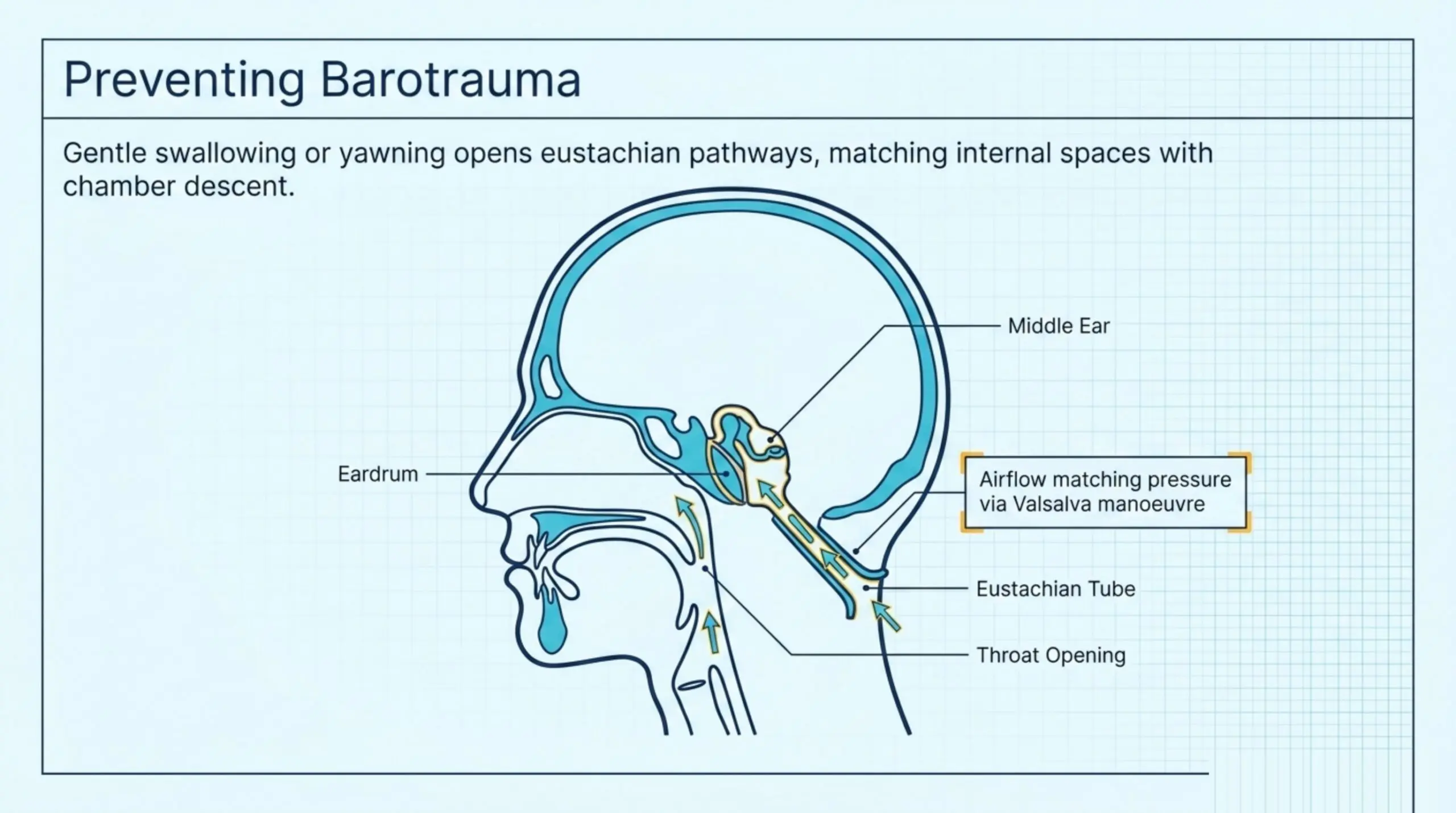
- Practise gentle ear clearing. Swallowing, yawning, or the Valsalva manoeuvre (pinching your nose and softly blowing) opens the eustachian tubes so the pressure inside your middle ear matches the pressure inside the chamber. Practising the technique before your first session helps you do it without thinking when the chamber begins to pressurise.
- Stop or reduce smoking and nicotine if possible. Nicotine constricts blood vessels, which can reduce some of the perfusion benefit HBOT aims to deliver to injured tissue.
- Plan transportation home for your first session. Most patients drive themselves after treatment, but some feel mildly fatigued or light-headed after the first one or two sessions and prefer a ride.
What should I wear to my HBOT session in Canada?
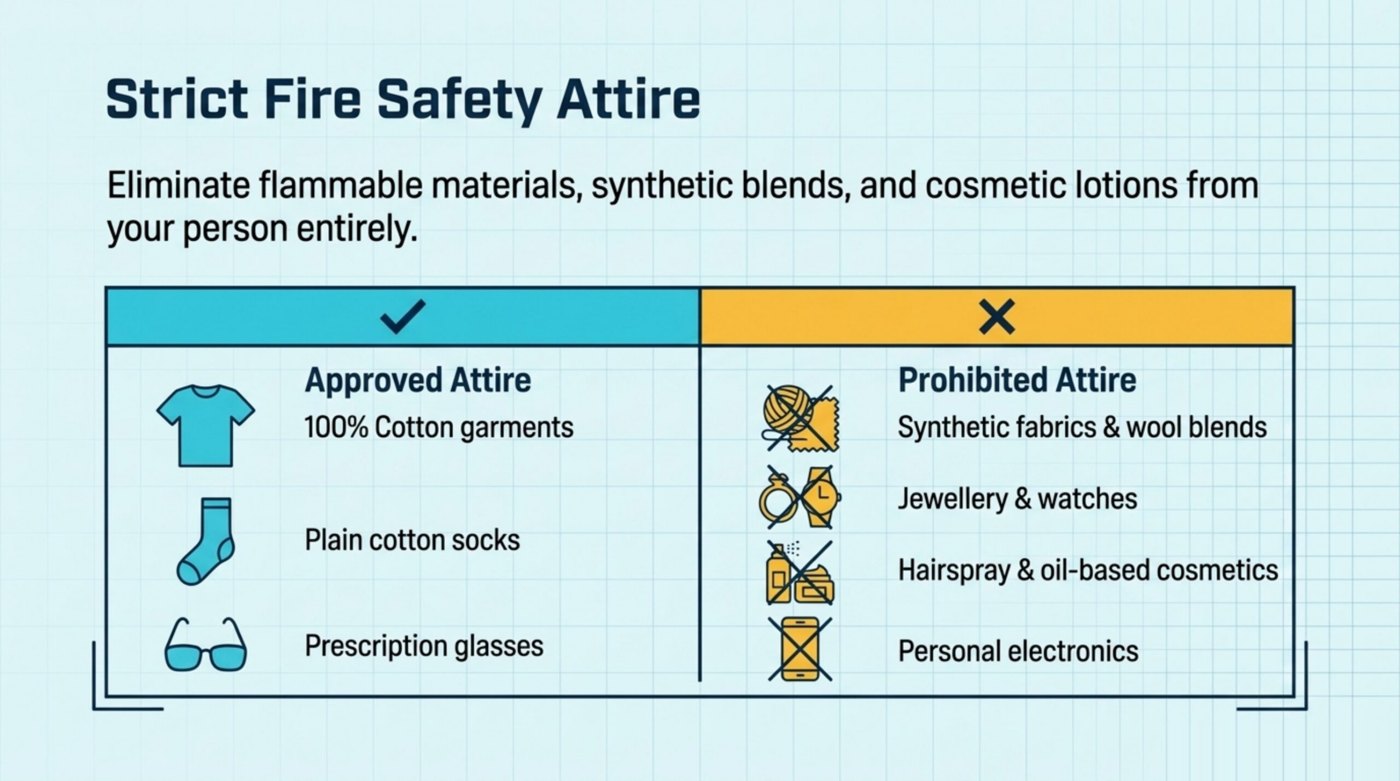
Inside a hyperbaric chamber, the oxygen concentration is much higher than in normal room air, so anything that can spark or burn is treated as a fire risk. Clinics across Canada follow strict fire safety rules. Wear 100% cotton clothing from head to toe. Most clinics provide cotton scrubs or gowns; if yours does not, plain cotton sweatpants and a cotton t-shirt are ideal.
Avoid synthetic fabrics (polyester, nylon, fleece), wool blends, and anything containing metal trim. Remove all jewellery, watches, and hair pins. Leave hair products, hairspray, makeup, perfume, cologne, deodorant, body lotion, and oil-based cosmetics off your skin and hair on treatment day. The chamber is a high-oxygen environment, and anything flammable on your skin or clothing is a safety concern.
| Wear / Bring | Leave at home |
|---|---|
| 100% cotton clothing | Synthetic fabrics, wool blends |
| Glasses (prescription only if needed) | Contact lenses (most clinics) |
| Hearing aids removed at chamber door | Hearing aids inside chamber |
| Plain hair, freshly washed without product | Hairspray, mousse, gel, dry shampoo |
| Clean skin without lotion or oil | Body lotion, perfume, cologne, makeup |
| Cotton socks | Nylon stockings, jewellery, watches |
| Water bottle (if your clinic allows it) | Phones, e-cigarettes, lighters, matches |
Can I eat or drink before hyperbaric oxygen therapy?
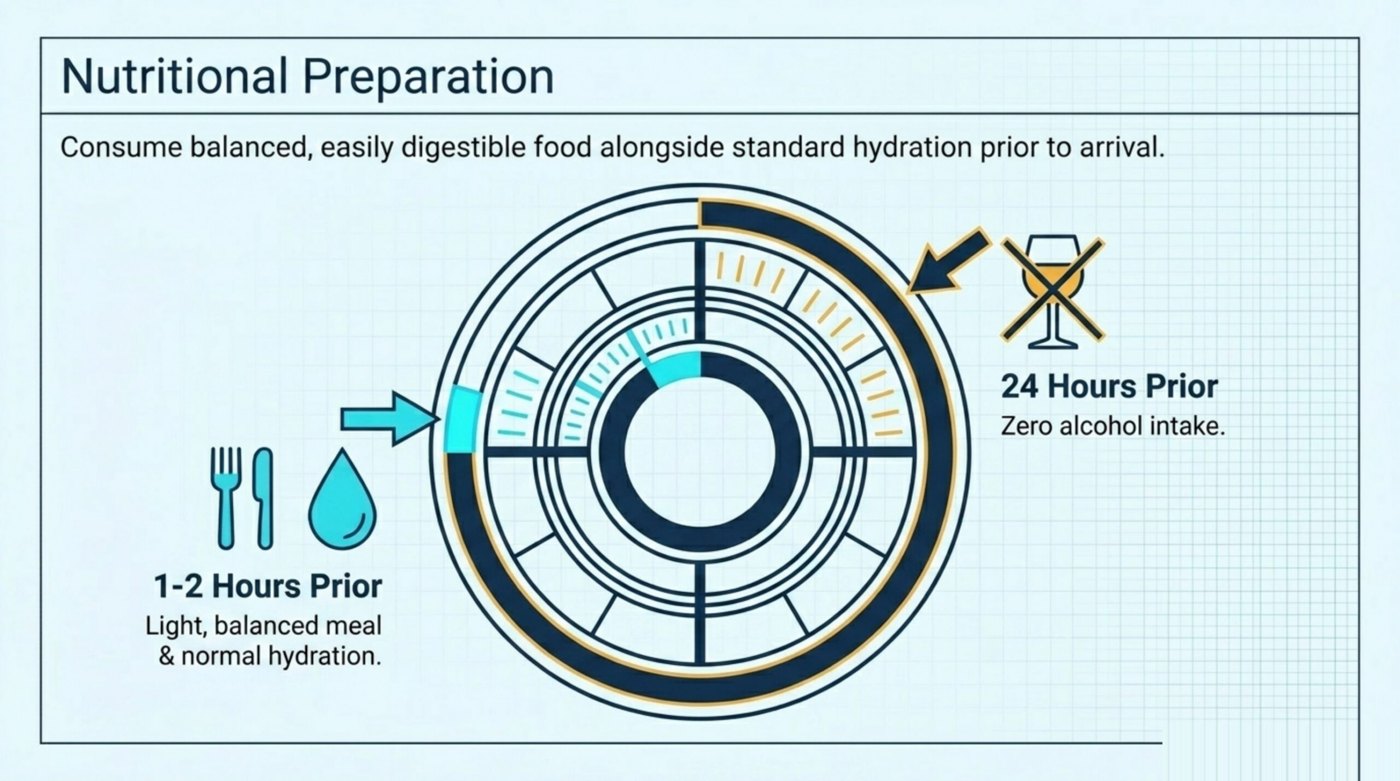
Yes, and you should. A light, balanced meal one to two hours before your session is what most Canadian clinics recommend. Avoid heavy, greasy meals because pressure changes can sometimes make a full stomach feel uncomfortable. Avoid carbonated drinks immediately before treatment because the dissolved gas can expand slightly during pressurisation and cause mild bloating.
Drink water normally. Mild dehydration can make your ears harder to clear and can leave you feeling more tired after the session. Skip alcohol for at least 24 hours before treatment because it can interfere with how your body manages oxygen and pressure. Patients with diabetes should follow their usual eating schedule and check blood sugar before each session; HBOT can sometimes lower blood glucose, so your clinic team may ask you to keep a glucose source nearby.
What medications should I tell my doctor about before starting HBOT?
Tell your prescriber and your hyperbaric physician about every prescription, over-the-counter product, and supplement you take, even if you have taken them safely for years. Several medications need extra attention before HBOT.
- Chemotherapy agents such as bleomycin, doxorubicin, cisplatin, and some others can interact with high-dose oxygen exposure. Your oncology team and hyperbaric physician will coordinate timing.
- Disulfiram (used to treat alcohol use disorder) blocks one of the enzymes that protects against oxygen toxicity. Most hyperbaric programmes pause it before treatment.
- Insulin and oral diabetes medications may need dose adjustment because HBOT can lower blood glucose.
- Blood thinners and antiplatelet drugs. In a 2026 prospective observational study of 90 patients with advanced peripheral arterial disease, HBOT was associated with reduced platelet aggregation across multiple pathways independent of antiplatelet therapy (Knezevic et al., PubMed | Our Assessment). Patients on warfarin, apixaban, rivaroxaban, dabigatran, or daily ASA should make sure both treating teams are aware.
- Steroids and immunosuppressants can affect wound-healing response and infection risk.
- Antioxidant supplements including high-dose vitamin C, vitamin E, N-acetylcysteine, glutathione, and alpha-lipoic acid. The Kovacevic 2026 review noted that the combined effect of antioxidants and HBOT is context dependent and may attenuate the benefit in some conditions while helping in others.
Never stop a prescribed medication on your own. Your hyperbaric team will work with your prescribing physician to decide what stays the same, what is adjusted, and what is paused.
What should I bring with me to my hyperbaric oxygen therapy appointment?
- Government-issued photo ID and your provincial health card.
- Your referral letter and any prior imaging or specialist reports if your clinic has not already received them.
- A current medication list.
- Reading glasses if you wear them; some chambers have a window or screen you can use to pass the time.
- A clean water bottle if your clinic allows it inside the chamber (many do not, and they will give you water before and after instead).
- A list of your questions. Your hyperbaric physician will go through them with you at the first visit.
Most clinics do not permit phones, smartwatches, tablets, e-readers, lighters, vaping devices, or e-cigarettes inside the chamber. These are stored in a locker outside. A few facilities allow approved monitors and intravenous lines inside multiplace chambers for inpatient care, but personal electronics are always left outside.
How do I prepare my ears for the pressure inside the chamber?
Ear and sinus barotrauma, meaning pressure injury to the middle ear or sinuses, is the most common side effect of HBOT and the one preparation can prevent. The chamber pressurises slowly, but if your eustachian tubes do not open, the eardrum can be pushed inward and become painful.
- Practise ear clearing before treatment day. Swallow, yawn widely, or use the Valsalva manoeuvre (pinch your nose closed, close your mouth, and gently try to blow). The “gentle” part matters; forcing the manoeuvre can injure the ear.
- Tell the chamber operator if your ears feel full at any point during pressurisation. Operators can slow the descent or pause it so you can catch up.
- Treat congestion before you arrive. If you have a cold, sinus infection, or allergy flare-up, call the clinic. Most teams reschedule rather than push through; trying to clear blocked tubes during pressurisation is what causes injuries.
- Ask about decongestants. Some clinics suggest a short-acting nasal decongestant before sessions for patients with mild congestion. Do not start one on your own without checking first.
- If you have pressure-equalising tubes (PE tubes) in your eardrums, mention this; clearing is usually easier and the chamber can be pressurised slightly faster.
Adverse events from HBOT are generally mild and transient in pooled clinical research. A 2026 systematic review and meta-analysis of 17 studies covering 920 adults who received HBOT for psychiatric indications described adverse events as mild and transient across the included trials (Al-Shamali et al., PubMed | Our Assessment). Ear barotrauma, mild fatigue, and brief light-headedness are the side effects patients most often report, and a careful pre-session check usually prevents them.
What if I have claustrophobia? How can I prepare for the chamber?
Many first-time patients worry about feeling closed in. Both monoplace (single-patient) and multiplace (room-style) chambers in Canada have windows; staff can see and hear you the entire session, and intercom systems let you talk to the operator at any time. Telling your hyperbaric team in advance lets them coach you through the first compression slowly, sometimes with you sitting up at first, sometimes with a family member visible through the window. Some clinics offer a brief pre-treatment chamber tour. Mild anxiety usually fades by the second or third session as the experience becomes familiar.
If your anxiety is severe, talk to your prescriber before treatment day. A short-acting anxiolytic is sometimes prescribed for the first few sessions, with both teams agreeing in advance.
How many sessions will I need and how should I plan my schedule?
Treatment length depends on the condition. The Italian multicentre study described above reported a median of 16 sessions per patient across all indications. Many wound-healing protocols use 20 to 40 sessions; carbon monoxide poisoning is often one to three; sudden hearing loss is usually 10 to 20; radiation injury protocols can run to 40 sessions. Sessions are typically 60 to 120 minutes including pressurisation and decompression and are usually scheduled five days a week.
Plan for the schedule before you start. Block off the time on your calendar, arrange parking or transit, and tell your employer if you will need a flexible work arrangement. If you are travelling from a smaller community to a larger centre, the Canada Hyperbarics provincial coverage guide explains how each province handles travel grants for medically necessary out-of-region care.
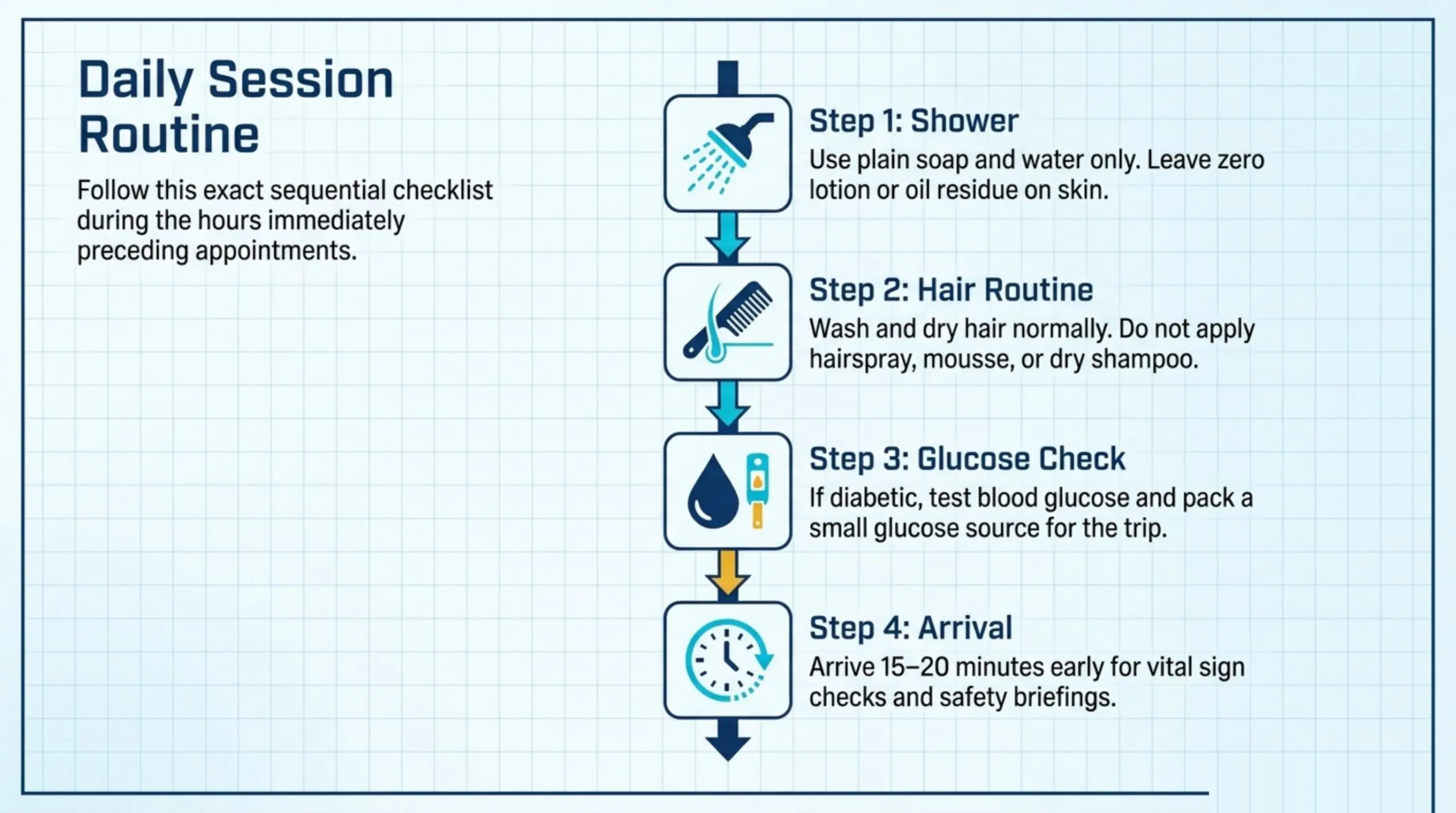
Do I need to do anything special on the morning of my first session?
- Shower or bathe with plain soap and water the morning of treatment. Skip lotion, oil, perfume, and cologne afterward.
- Wash and dry your hair without product.
- Eat a light, balanced meal one to two hours before.
- Drink water in your usual amount.
- Check your blood sugar if you have diabetes, and pack a glucose source for the ride home.
- Use the washroom right before the session. Chambers are not equipped for in-treatment washroom breaks.
- Arrive 15 to 20 minutes early for your first visit so the team has time for intake, vital signs, and the safety briefing.
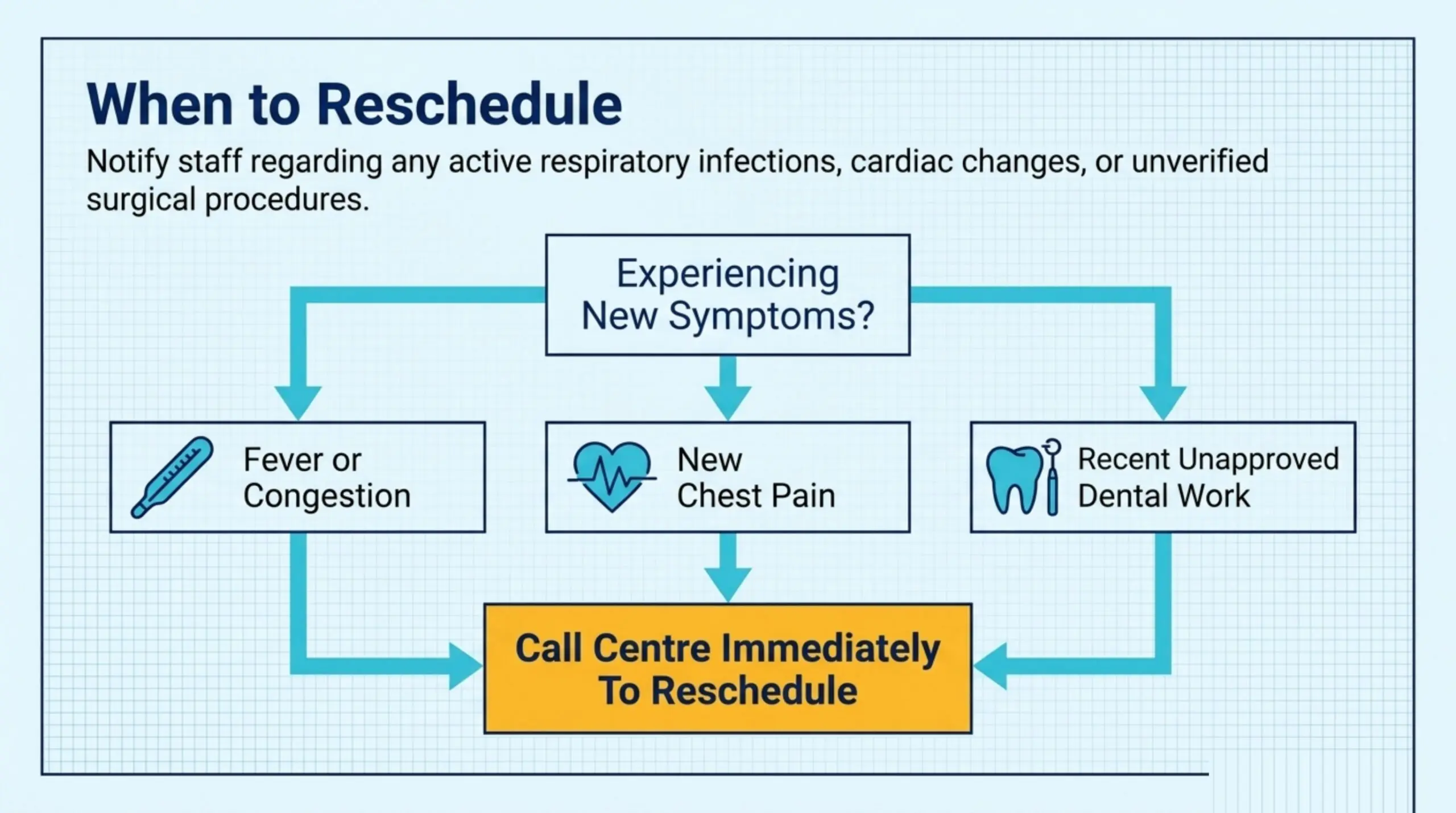
When should I call the clinic before my appointment instead of just showing up?
Call your hyperbaric clinic ahead of time if any of the following apply on the day of treatment:
- You have a fever, cough, cold, sinus infection, or active ear infection.
- You have new chest pain, shortness of breath, or palpitations.
- You have had recent surgery or dental work not yet cleared by your hyperbaric team.
- You have been told you have an untreated pneumothorax (collapsed lung).
- You started a new medication you have not yet shared with the hyperbaric team, especially chemotherapy, disulfiram, or a new antiplatelet or anticoagulant.
- You feel claustrophobic or anxious in a way that worries you, and you have not yet discussed it.
- You think you may be pregnant. HBOT can be appropriate during pregnancy in specific emergencies (such as carbon monoxide poisoning), but routine treatments are typically reviewed and confirmed with both obstetrics and hyperbaric medicine.
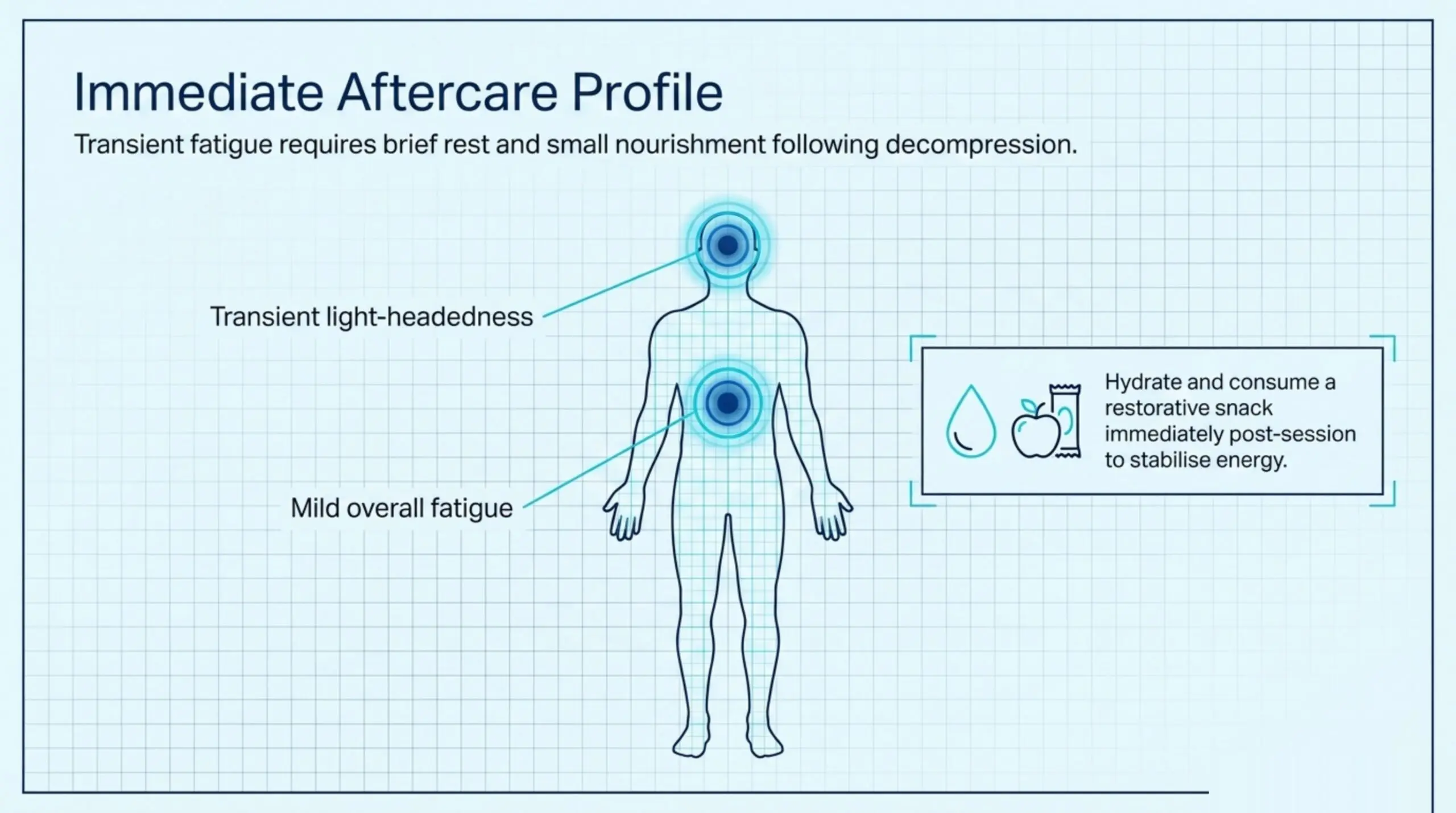
What happens immediately after my first HBOT session?
Most patients walk out of the chamber feeling about the same as they walked in. Some feel mildly tired or slightly light-headed for a few minutes; both usually settle quickly. Your clinic team will check vital signs, ask how your ears handled the pressure, and confirm the date and time of your next session. Many programmes provide an after-care sheet that explains what to watch for in the hours after treatment, including ear pain, sinus pressure, vision changes (which sometimes happen with very long treatment courses and reverse after the series ends), and any new neurological symptoms.
Drink water and have a small snack after treatment, especially if you have diabetes. Plan a quiet day after your first session so you can notice how your body responds. By the second or third visit, most patients return to a normal routine right after the appointment.
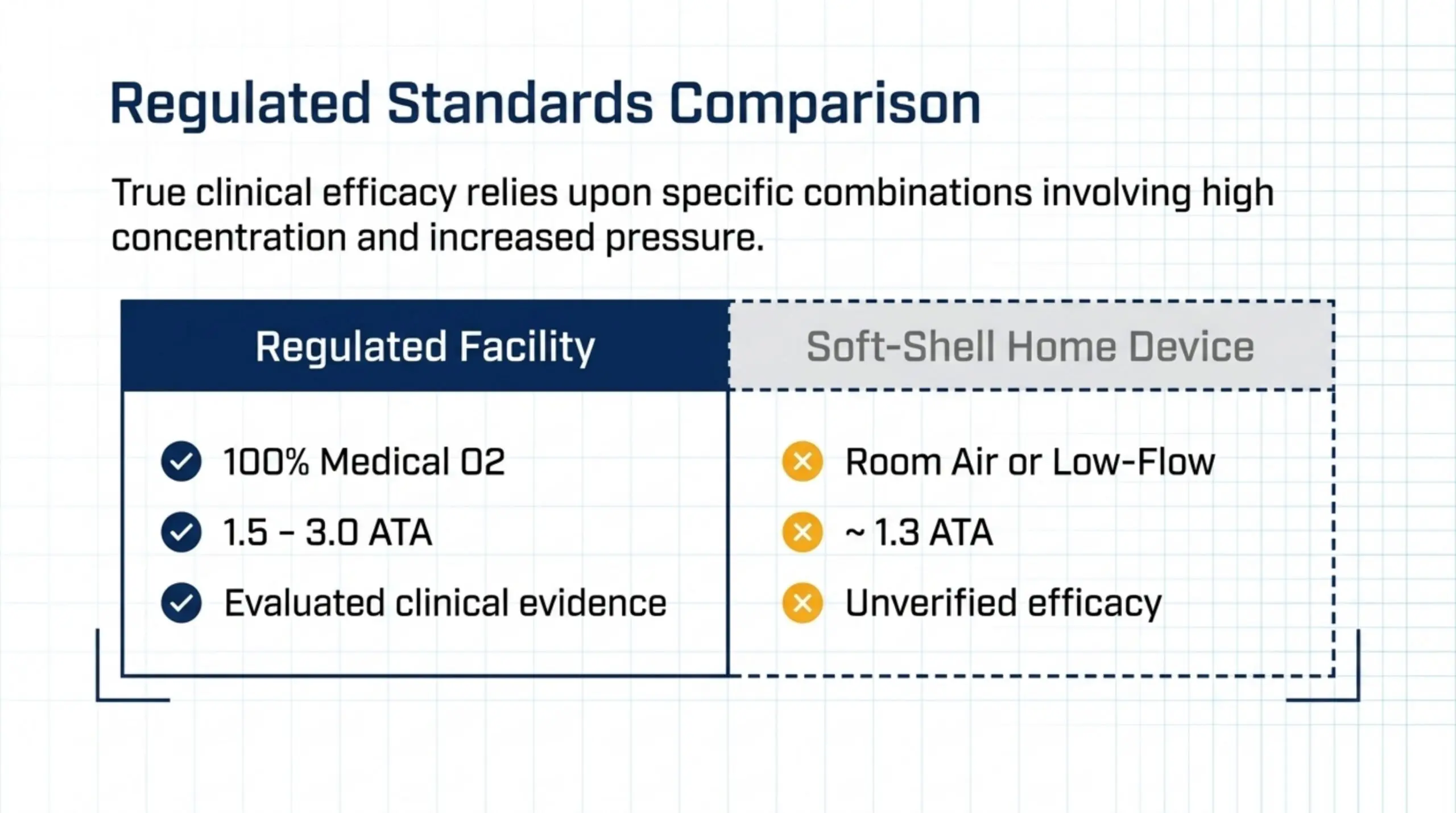
What is the difference between a real hyperbaric session and a soft-shell chamber at home?
Medical HBOT in a Health Canada licensed chamber is delivered at 1.5 to 3.0 ATA with 100% oxygen. The benefit comes from the combination of high oxygen concentration and increased pressure. Portable soft-shell chambers sold for home use are typically rated to about 1.3 ATA with room air or a low-flow oxygen concentrator, which delivers a much lower oxygen dose. The clinical evidence base behind the conditions reviewed on the Canada Hyperbarics conditions index is built on regulated medical-grade chambers; results from those studies should not be assumed for at-home soft-shell devices.
If you are weighing options, the Canada Hyperbarics research bank houses the underlying studies behind each condition, so you can see for yourself which pressure and protocol the evidence is based on. The mechanism by which HBOT supports infection control and wound healing depends on this oxygen-and-pressure combination, as outlined in a 2026 review of its adjunctive role in microbial infection-related conditions (Zhang et al., PubMed | Our Assessment).
Where can I find a hyperbaric oxygen therapy facility in Canada?
Canada Hyperbarics maintains an editorial directory of every hospital hyperbaric programme and regulated private clinic in the country, organised by province and city. Each listing notes the chamber type, who the facility treats, and whether it accepts external referrals. Browse the complete directory of Canadian hospitals and regulated facilities to find a programme near you, then review the general HBOT FAQ for additional patient questions.
For Canadian regulatory background on hyperbaric chambers, see the Government of Canada Medical Devices overview. For international clinical practice guidance, consult the Undersea and Hyperbaric Medical Society and, in Canada, the Canadian Undersea and Hyperbaric Medical Association.
Frequently asked questions about preparing for HBOT
Do I need a referral to start hyperbaric oxygen therapy in Canada?
For most public hospital programmes and accredited private clinics, yes. A referral from your family physician or a specialist starts the process, and the hyperbaric medicine team then reviews your case to confirm HBOT is appropriate for your condition.
Can I drive myself to and from HBOT sessions?
Most patients drive themselves. For the first one or two sessions, arrange a ride or have someone available in case you feel mildly tired or light-headed afterward. By session three or four, most patients return to a normal commute.
Are children and elderly patients prepared differently?
The general rules (cotton clothing, no lotion, medication review, ear clearing practice) apply at any age. Children are coached on ear clearing in age-appropriate language, and elderly patients with limited mobility are reviewed in advance for any transfer or seating accommodations the chamber needs.
Will HBOT affect my dental fillings or implants?
Standard dental fillings, crowns, bridges, and dental implants are generally safe at hyperbaric pressures used clinically. Mention any recent dental work or loose fillings to your hyperbaric team so they can confirm you are cleared.
Key takeaways for Canadian patients preparing for HBOT
- Wear 100% cotton. No synthetics, no jewellery, no lotion, no perfume.
- Bring a complete medication and supplement list. Disclose chemotherapy, disulfiram, anticoagulants, insulin, and antioxidants in particular.
- Eat a light meal, drink water, and avoid alcohol for 24 hours before treatment.
- Practise gentle ear clearing so you are ready when the chamber pressurises.
- Tell the clinic about colds, congestion, anxiety, or new symptoms before you arrive.
- Plan for the full schedule, especially for multi-session protocols that can run for weeks.
- Use the Canada Hyperbarics directory to choose a regulated facility, and rely on your treating team for the final, condition-specific instructions.
Medical disclaimer. This content is for informational purposes only and does not constitute medical advice. It is not a substitute for personalised guidance from your physician or hyperbaric medicine team. Always follow your clinic’s written intake instructions, and never stop, start, or change a prescription medication without speaking to your prescriber. If you have an urgent medical concern, contact your provincial health line or call 911.