
TL;DR: If you think hyperbaric oxygen therapy (HBOT) might help you, the most reliable first step is an honest conversation with your family doctor or specialist. Come prepared with your diagnosis, ask whether the evidence actually supports HBOT for your specific condition, and ask how to get a referral to an accredited facility. In Canada, provincial health plans cover HBOT only for an approved list of conditions, so coverage is one of the most important questions to raise early.
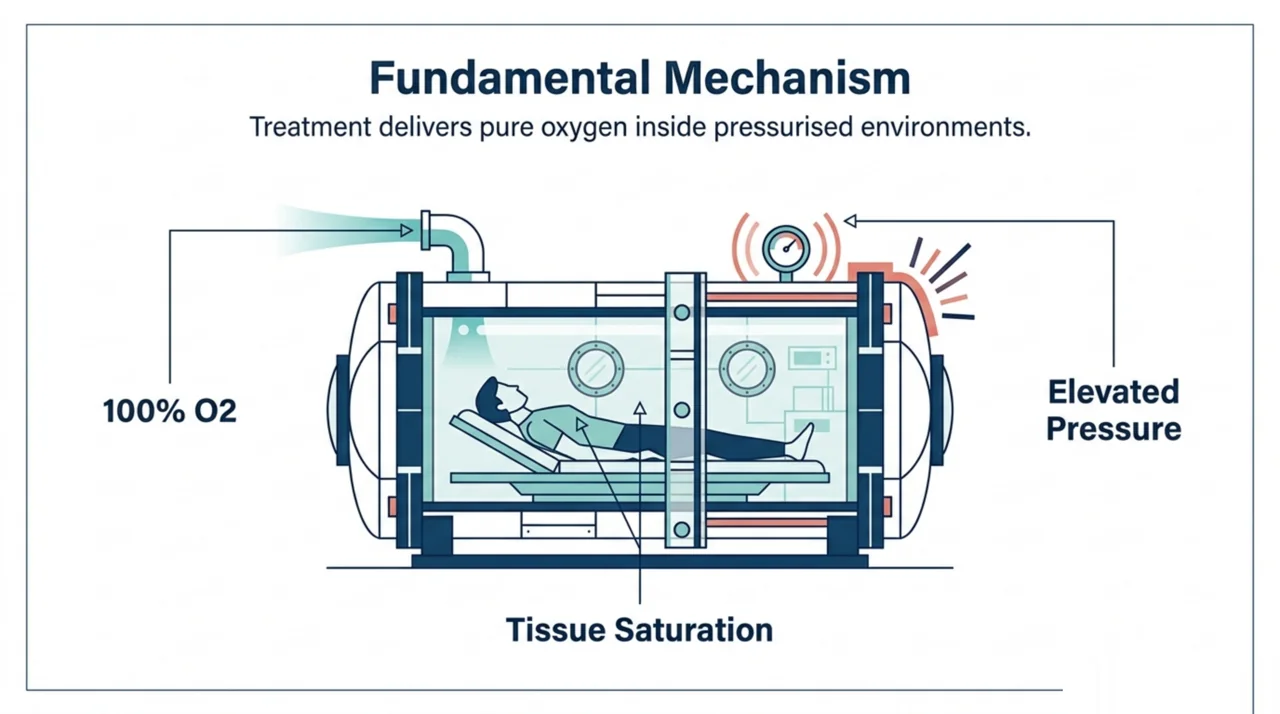
Hyperbaric oxygen therapy (HBOT) is a medical treatment in which you breathe 100% oxygen inside a pressurised chamber, which raises the amount of oxygen your blood can carry to injured tissues. If you are wondering whether HBOT could help you, the most dependable way to find out is to talk to your doctor. This guide walks Canadian patients through how to raise the topic, what to ask, and how to move from a conversation to a referral. Canada Hyperbarics is an information resource, and this guide is written to help you have a clear, evidence-based discussion with your own healthcare provider.
You do not need to be a medical expert to have a productive conversation. You just need to know what to ask and what to expect. The steps below are simple, practical, and built around the way the Canadian health system actually works.
Why should you talk to your doctor about HBOT first?
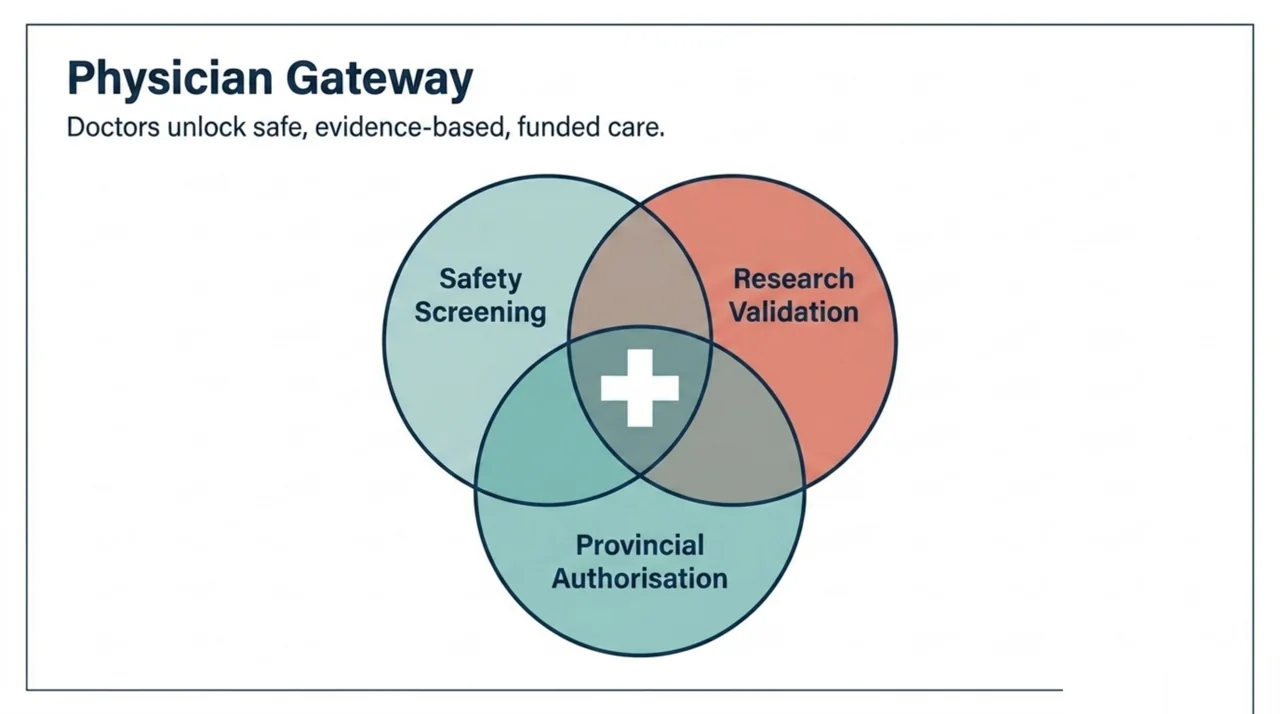
Your doctor is the gateway to safe, appropriate, and often covered care. HBOT is a real medical therapy with established uses, but it is not right for every condition or every person. A conversation with your doctor helps you sort genuine, research-backed uses from the marketing claims you may have seen online.
Talking to your doctor also matters for safety. HBOT has a few important contraindications, and your physician can review your medications, lung health, and ear health before you start. Finally, a referral from your doctor is usually what unlocks coverage through your provincial health plan when your condition qualifies. You can learn more about how the therapy is used across different diagnoses on our conditions overview.
How do you start the conversation with your doctor?
The easiest way to open the discussion is to be direct and specific. Tell your doctor what symptom or diagnosis you are hoping to address, mention that you have read about HBOT, and ask for their honest view of whether it fits your situation. A simple opener works well: “I have been reading about hyperbaric oxygen therapy for my condition. Is that something we should consider, and what does the evidence say?”
Bring written notes so you do not forget your questions, and bring a short summary of your diagnosis and treatment history. If a friend or family member can join you, a second set of ears helps you remember the answers.
What does the research say about HBOT for your condition?
One of the most useful things you can do is ask your doctor what the evidence actually shows for your specific diagnosis, because the strength of the research varies a great deal from one condition to another. For some uses, the evidence is well developed. A 2026 systematic review and meta-analysis of 24 studies (2,246 patients) gave a strong recommendation to use HBOT to help heal failing skin flaps and grafts in soft-tissue and trauma wounds, although the authors rated the overall certainty of the evidence as very low to moderate (Carter et al., 2026, PubMed | Our Assessment).
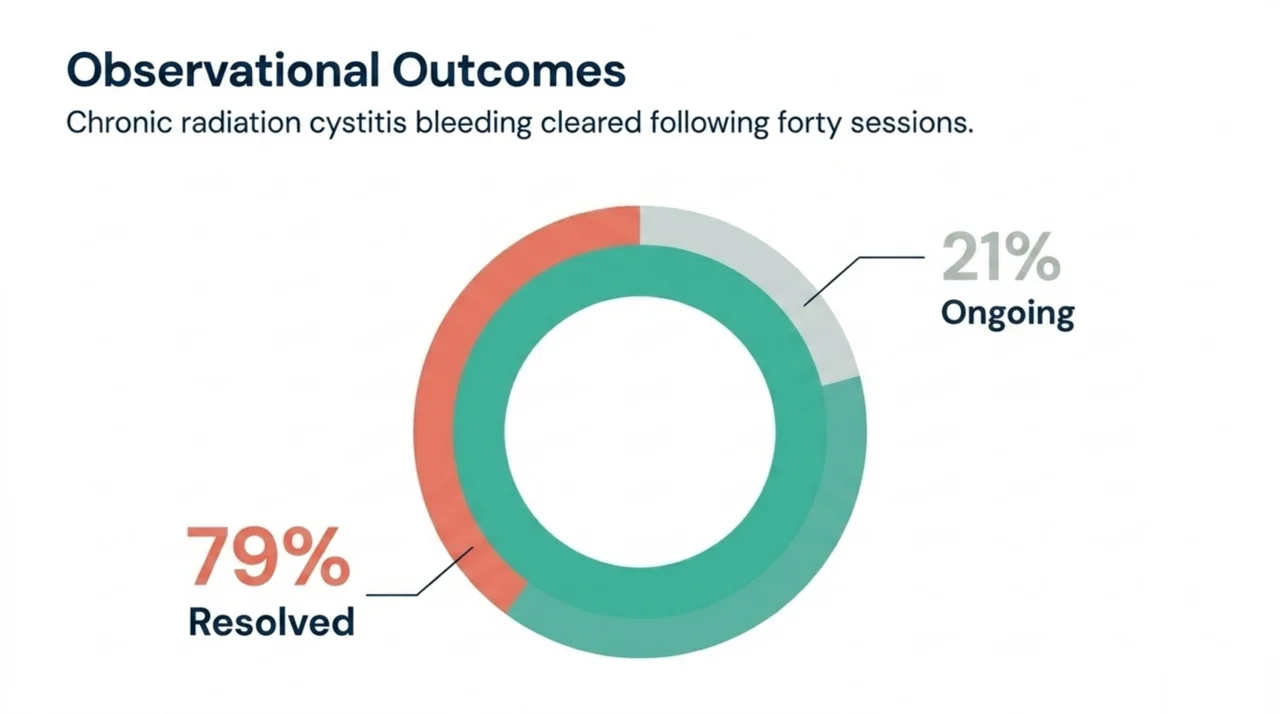
Radiation injury is another area with supportive evidence. A 2026 study of 43 patients with chronic radiation cystitis, a painful bladder complication that can follow pelvic radiotherapy, found that HBOT was associated with resolution of visible bladder bleeding, with 79% of patients seeing their bleeding clear after about 40 sessions (Booher et al., 2026, PubMed | Our Assessment). Because this was an observational study, it shows an association rather than firm proof of cause and effect, which is the kind of nuance your doctor can help you interpret.
For many other conditions, the evidence is still emerging, which is exactly why an informed conversation matters. A 2026 systematic review and meta-analysis of 17 studies (920 people) examining HBOT for psychiatric disorders reported that adverse events were mild and transient and that HBOT was associated with a large pooled benefit for depressive symptoms, but these uses are not approved indications in Canada and the authors describe them as an emerging area (Al-Shamali et al., 2026, PubMed | Our Assessment).
Long COVID and chronic pain are two more areas under active study. A 2026 community-based pilot study reported that fatigue, breathlessness and quality of life improved in people with long COVID who completed four weeks of HBOT, but the researchers stressed that this was preliminary and that larger controlled trials are still needed (Gale et al., 2026, PubMed | Our Assessment). In chronic pain, a 2026 randomised clinical trial in Brazil tested HBOT as an add-on to standard care for fibromyalgia, which reflects growing research interest rather than settled proof (da Mota Neto et al., 2026, PubMed | Our Assessment).
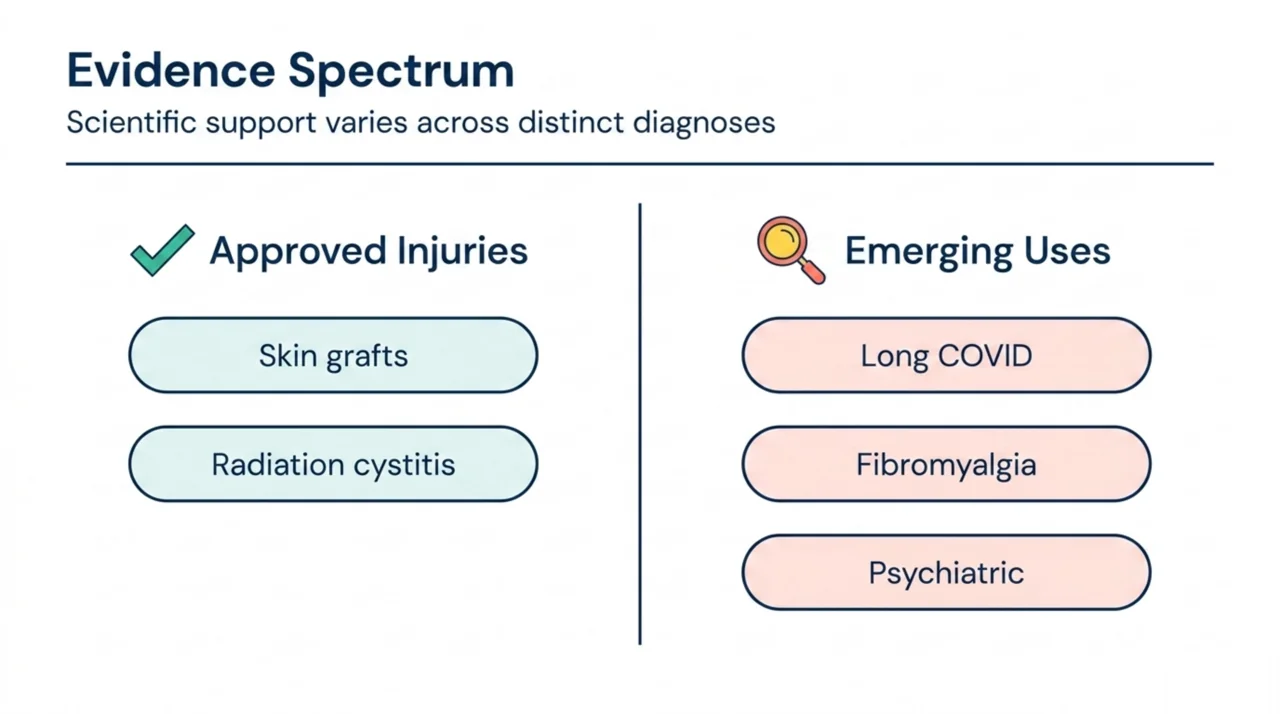
The table below is a plain-language summary you can use to frame your own question. Ask your doctor where your specific diagnosis sits on this spectrum.
| Type of use | What the evidence looks like | Examples |
|---|---|---|
| Approved tissue and radiation injuries | Stronger, including controlled trials and clinical recommendations | Failing skin flaps and grafts; chronic radiation cystitis |
| Emerging or investigational uses | Early or mixed, often small or preliminary studies; not approved in Canada | Long COVID; fibromyalgia; depression and other psychiatric symptoms |
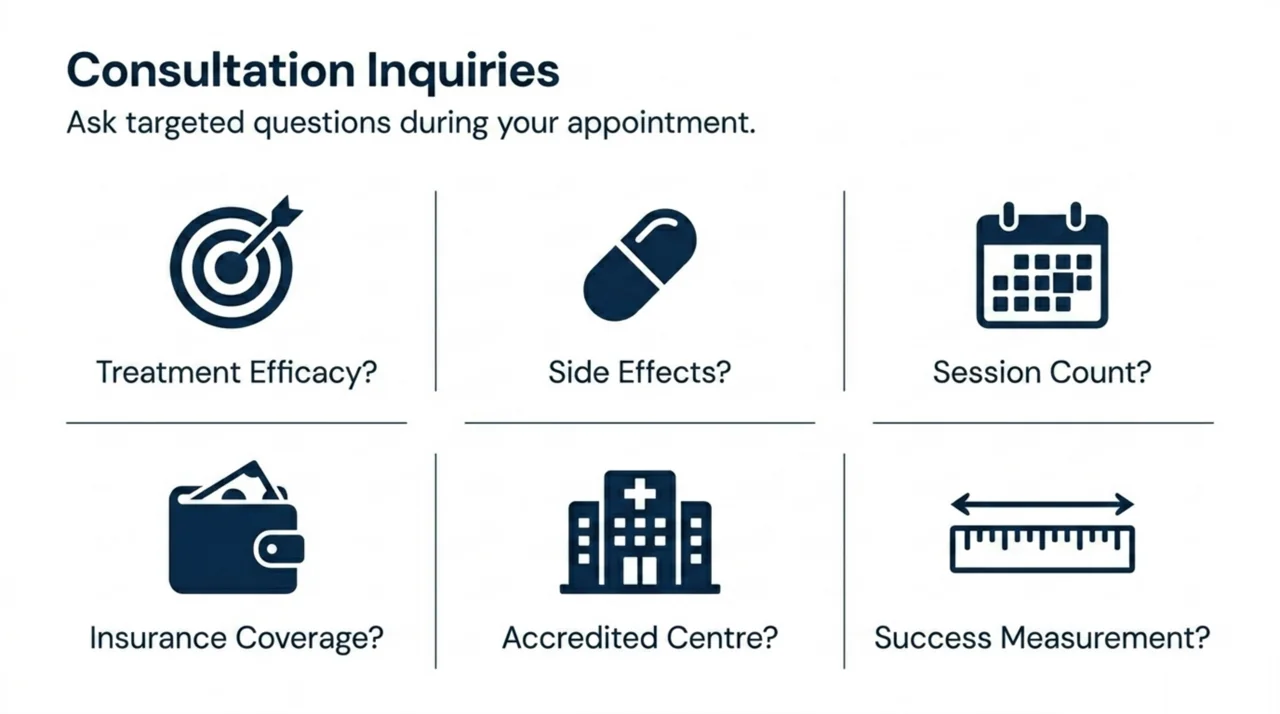
What questions should you ask your doctor about HBOT?
A short, focused list keeps the conversation on track. Consider asking these questions, and write down the answers so you can review them later.
- Is hyperbaric oxygen therapy an approved treatment for my specific condition in Canada?
- What does the current research show about how well it works for my diagnosis?
- What are the realistic benefits, and what side effects should I expect?
- How many sessions might I need, and how long does a typical course take?
- Are there reasons I should not have HBOT, such as certain lung conditions or recent ear surgery?
- Will my provincial health plan cover it, or would I pay out of pocket?
- Can you refer me to a hospital or accredited facility, and who should I see?
- How will we measure whether the treatment is actually helping me?
These questions also help you spot a clinic that overpromises. A trustworthy provider will be honest about what HBOT can and cannot do, and will welcome your questions rather than rush past them.
How do you get a referral and find an accredited facility in Canada?
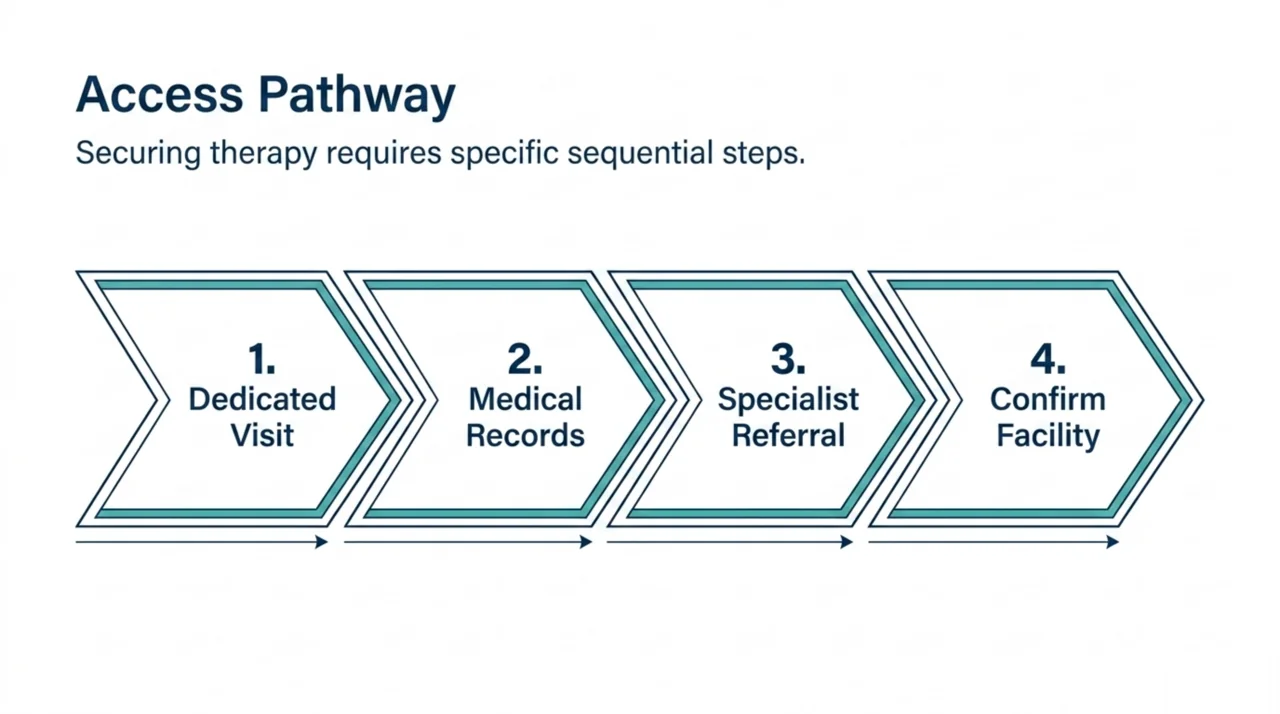
If your doctor agrees that HBOT is worth pursuing, the path from conversation to treatment is straightforward. Follow these steps.
- Book an appointment focused on this single question, so you are not squeezing it into a visit about something else.
- Bring your records, including your diagnosis, relevant imaging, and any specialist letters.
- Ask whether HBOT is appropriate for you, and request a referral to a hyperbaric medicine physician or programme if it is.
- Confirm that the facility is a hospital or a regulated, accredited centre before you book.
- Sort out coverage before your first session, so there are no surprises.
Treatment in Canada is delivered through hospitals and regulated facilities, and choosing an accredited centre is one of the best ways to protect yourself. Health Canada recognises HBOT for an established list of approved medical conditions, and accredited programmes follow recognised safety and equipment standards.
Is hyperbaric oxygen therapy covered by provincial health insurance?
Coverage depends on your province and your diagnosis. Provincial health plans generally cover HBOT only for approved conditions, and usually only at specific hospitals or eligible clinics. In Ontario, OHIP covers HBOT for an approved list of conditions at hospitals and at eligible private clinics. In British Columbia, MSP covers HBOT at Vancouver General Hospital. Several provinces cover the therapy only in a hospital setting, and a few have no public coverage for private clinics at all.
Because the rules differ so much across the country, confirm what applies where you live before you commit. Our provincial coverage guide explains how each plan handles HBOT, and your doctor’s office can help you understand the referral and billing process.
What if your doctor is not familiar with HBOT?
Not every family physician works with hyperbaric medicine, and that is normal. If your doctor is unsure, you can ask them to refer you to a specialist or a hospital hyperbaric programme that can assess whether you are a candidate. Bringing printed summaries of relevant research, such as the studies linked above, can help structure the conversation.
It is also reasonable to seek a second opinion if you feel your question was not fully addressed. You can explore our research library to understand the current evidence, and our about page explains who we are and how this resource is maintained. The goal is always a shared, well-informed decision between you and your healthcare team.
Frequently asked questions
Do I need a referral for HBOT in Canada?
For covered, hospital-based care you almost always need a referral from a physician. Some private clinics accept self-referrals, but talking to your doctor first is still the safest approach, because it confirms HBOT is appropriate and checks for any reasons you should not have it.
Can I go to a private clinic without talking to my doctor?
You sometimes can, but it is not recommended. Your doctor knows your full medical history and can flag contraindications, review your medications, and help you judge whether the evidence supports HBOT for your condition. Skipping that step can mean paying out of pocket for a treatment that may not help you.
Is hyperbaric oxygen therapy safe?
For appropriate patients in accredited facilities, HBOT has a good safety record, and recent research reports that side effects are usually mild and temporary. The most common issues relate to ear and sinus pressure. Your doctor will screen you for the small number of conditions that make HBOT unsafe, which is one more reason to start with that conversation.
How do I know if a hyperbaric facility is legitimate?
Look for a hospital programme or an accredited, regulated centre with trained hyperbaric staff and medical oversight. Be cautious of any clinic that promises to cure a long list of unrelated conditions. You can review the directory of hospitals and regulated facilities to see legitimate options.
Will my doctor know about HBOT?
Many family doctors are aware of HBOT for established uses such as wound healing and radiation injury, but fewer are familiar with emerging research areas. If your doctor is not sure, ask for a referral to a hyperbaric medicine specialist who can give you a detailed assessment.
How long does it take to get started?
Timelines vary by province, by condition, and by how busy your nearest facility is. Urgent conditions are treated quickly, while elective referrals for chronic conditions can involve a wait. Asking your doctor about expected timelines early helps you plan travel and time off work.
Your next step
The single most valuable thing you can do is book that conversation with your doctor and arrive prepared with the questions above. From there, you can decide together whether a referral makes sense for you. When you are ready to look at where treatment is available, Canada Hyperbarics maintains a directory of hospitals and regulated facilities across the country, and our frequently asked questions page answers many of the practical concerns patients raise.
This content is for informational purposes only and does not constitute medical advice. Hyperbaric oxygen therapy should only be pursued under the guidance of a qualified healthcare professional. Always consult your physician about your specific condition before making treatment decisions.