
TL;DR: Most people need a course of hyperbaric oxygen therapy (HBOT), not a single visit. The number of sessions depends on your condition. An emergency like carbon monoxide poisoning may need only 1 to 3 sessions, while chronic wounds often take 20 to 40 daily sessions. In a 2026 real-world study across 10 centres, patients received a median of 16 sessions. Your treating physician sets the exact number based on your diagnosis and how you respond.
If you are starting hyperbaric oxygen therapy in Canada, one of the first questions you will ask is how many sessions you will need. The honest answer is that it depends on your condition, but published treatment protocols give clear ranges. Hyperbaric oxygen therapy (HBOT) is a medical treatment in which you breathe 100% oxygen inside a pressurised chamber, which raises the amount of oxygen carried in your blood and tissues. Because it works by repeated exposure, HBOT is almost always given as a series of daily sessions rather than a one-time treatment.
This patient FAQ explains how a course of HBOT is planned, what one session involves, and how the number of sessions changes from condition to condition. It is written for Canadian patients and families who want clear, plain-language answers backed by recent research.
How many HBOT sessions will I need?
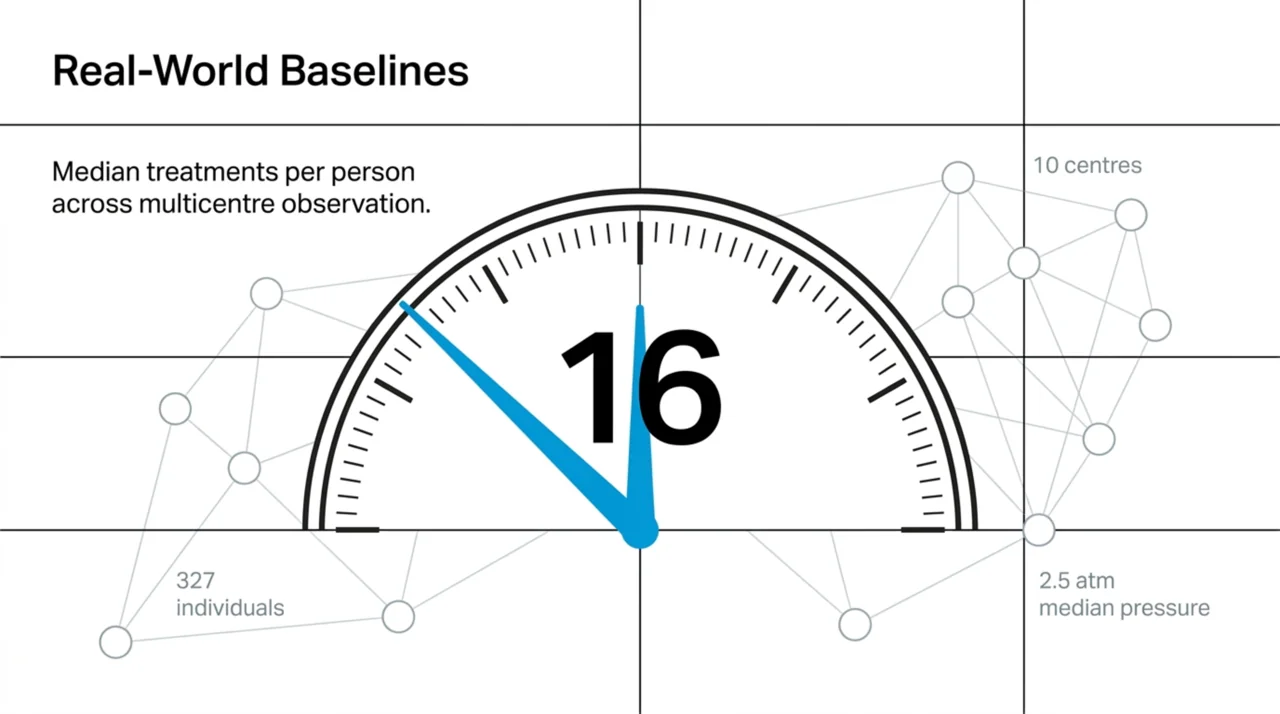
For most approved medical conditions, a typical course of hyperbaric oxygen therapy ranges from about 10 to 40 daily sessions. Emergencies sit at the low end and chronic conditions sit at the high end. A large 2026 multicentre study in Italy that tracked real-world practice gives a useful benchmark: across 327 patients treated in 10 centres, the median was 16 sessions per patient, and the biggest differences between patients came down to the number of sessions their condition required (Ippolito, PubMed | Our Assessment). The same study found the most common reasons for treatment were sudden hearing loss, carbon monoxide poisoning, and soft-tissue infection, and that treatment was delivered at a median pressure of 2.5 atmospheres.
Your own number is decided by your physician, not by a fixed rule. They look at your diagnosis, the severity of your condition, and how your body responds along the way. You can browse the conditions HBOT is used for on our conditions overview.
What does one hyperbaric oxygen therapy session involve?
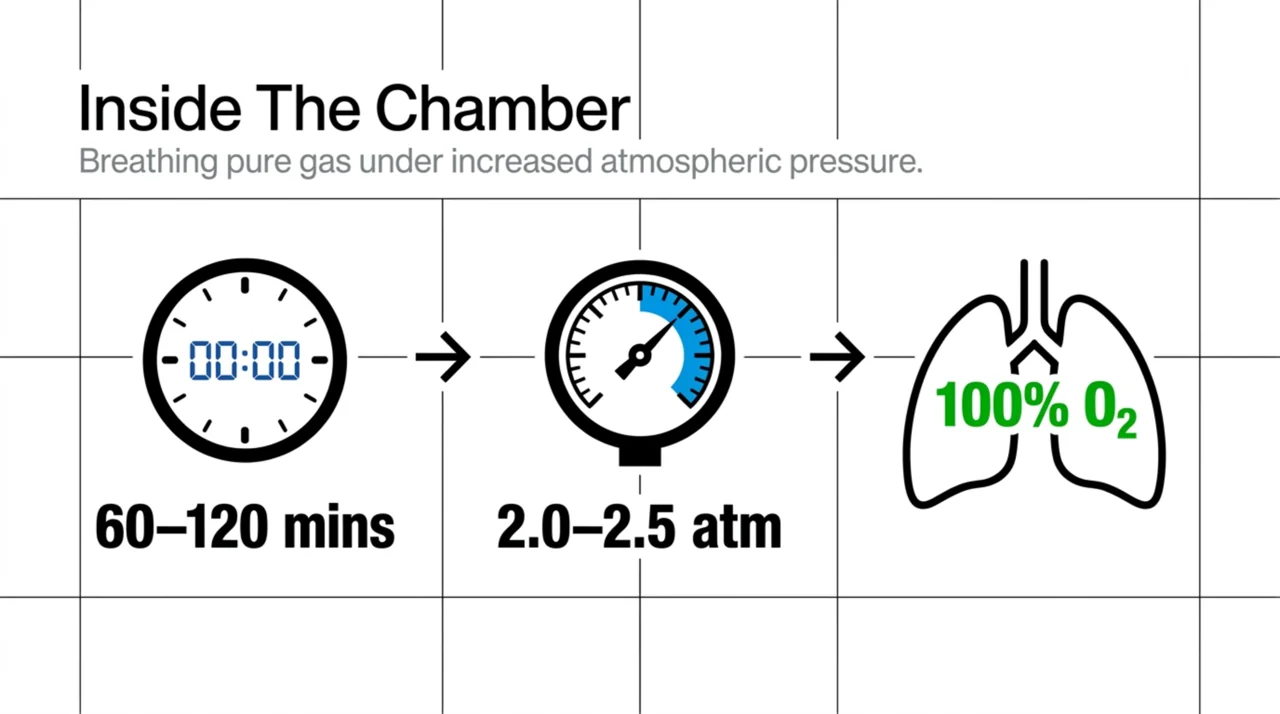
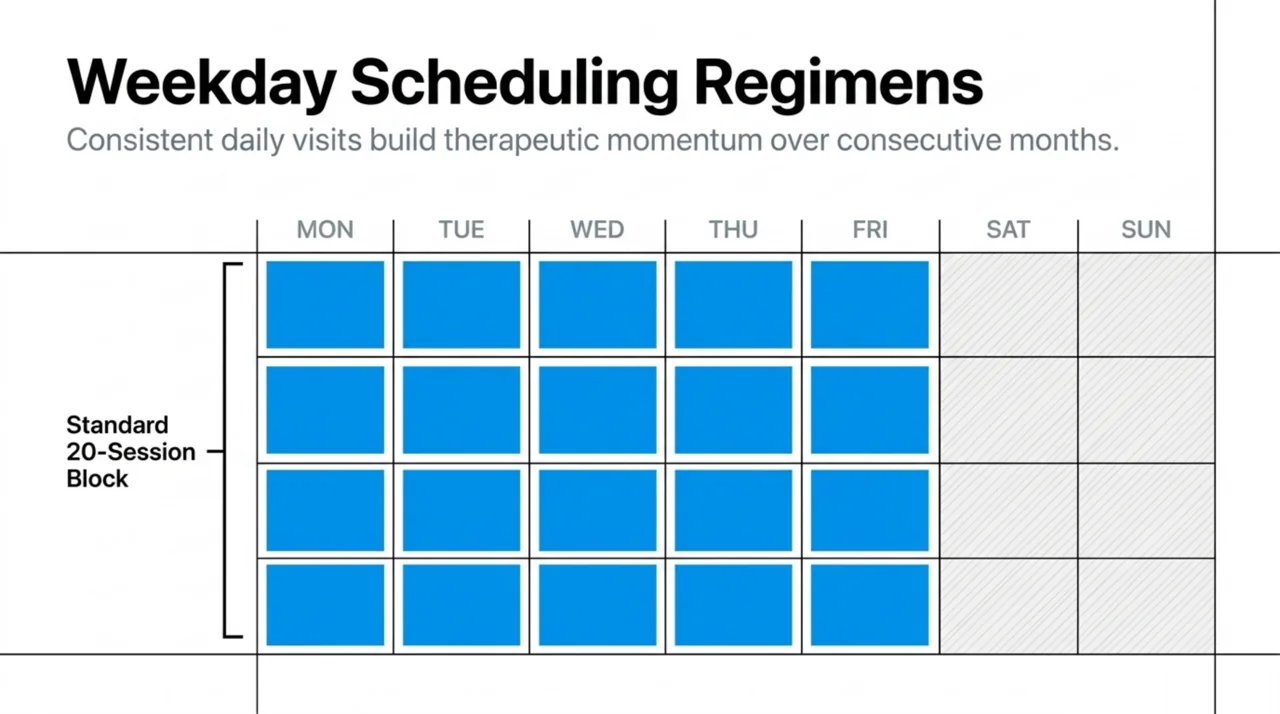
A single HBOT session usually lasts between 60 and 120 minutes. You enter the chamber, the pressure is slowly increased to your prescribed level (commonly around 2.0 to 2.5 atmospheres), you breathe oxygen for the treatment period, and then the pressure is slowly returned to normal. Sessions are most often given once a day, five days a week, so a course builds up over several weeks. The slow pressure changes at the start and end are the parts you feel most, similar to the ear pressure on a descending aircraft.
Knowing what a session feels like makes the full course easier to plan around work, family, and travel. For a step-by-step walk-through of a visit, see the answers in our frequently asked questions.
How many sessions are typical for each condition?
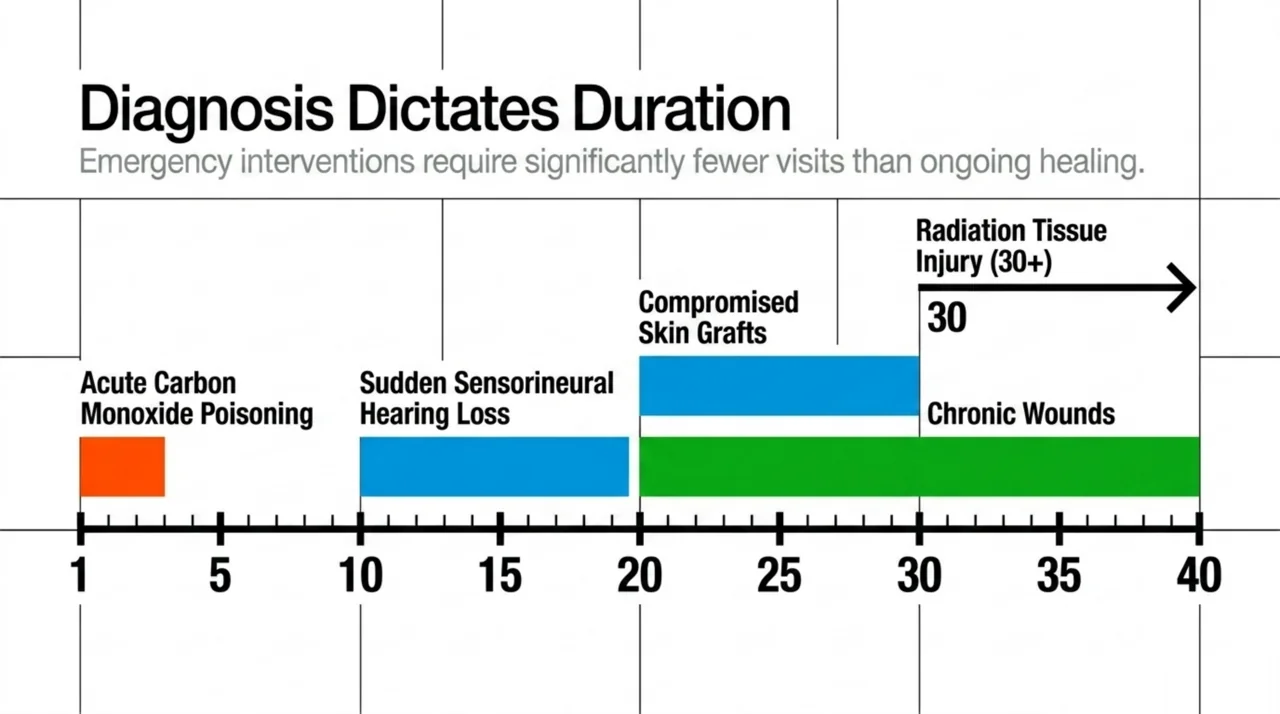
The number of sessions is closely tied to the diagnosis. The table below shows typical course lengths reported in recent studies and standard clinical protocols. These are general ranges for planning purposes only; your physician sets your actual number.
| Condition | Typical HBOT course | Evidence status |
|---|---|---|
| Acute carbon monoxide poisoning | 1 to 3 sessions (PubMed | Our Assessment) | Established (emergency) |
| Sudden sensorineural hearing loss | About 10 to 20 sessions | Established |
| Chronic wounds, such as diabetic foot ulcers | About 20 to 40 daily sessions | Established |
| Radiation tissue injury | About 30 or more sessions | Established |
| Compromised skin grafts and flaps | About 20 to 30 sessions | Established |
| Breast reconstruction salvage | 10 to 20 sessions (PubMed | Our Assessment) | Adjunct/emerging |
The established uses above are recognised by bodies such as the Undersea and Hyperbaric Medical Society and are offered at hospitals and regulated facilities across Canada. Recent systematic reviews, for example, give a strong recommendation to use HBOT to help heal compromised skin flaps and grafts (Carter, PubMed | Our Assessment). You can find a location near you in our directory of hospitals and regulated facilities.
Why does the number of sessions vary so much?
The number of sessions varies because HBOT does different jobs for different conditions. In an emergency such as carbon monoxide poisoning, the goal is to clear the gas and protect the brain quickly, so very few sessions are used. A 2026 retrospective study of 312 carbon monoxide patients compared treatment regimens of as few as 1 to 3 sessions, and found that higher-pressure regimens at 2.8 atmospheres were associated with a lower rate of delayed brain and nervous-system complications than lower-pressure regimens at 2.0 atmospheres (Gur, PubMed | Our Assessment).
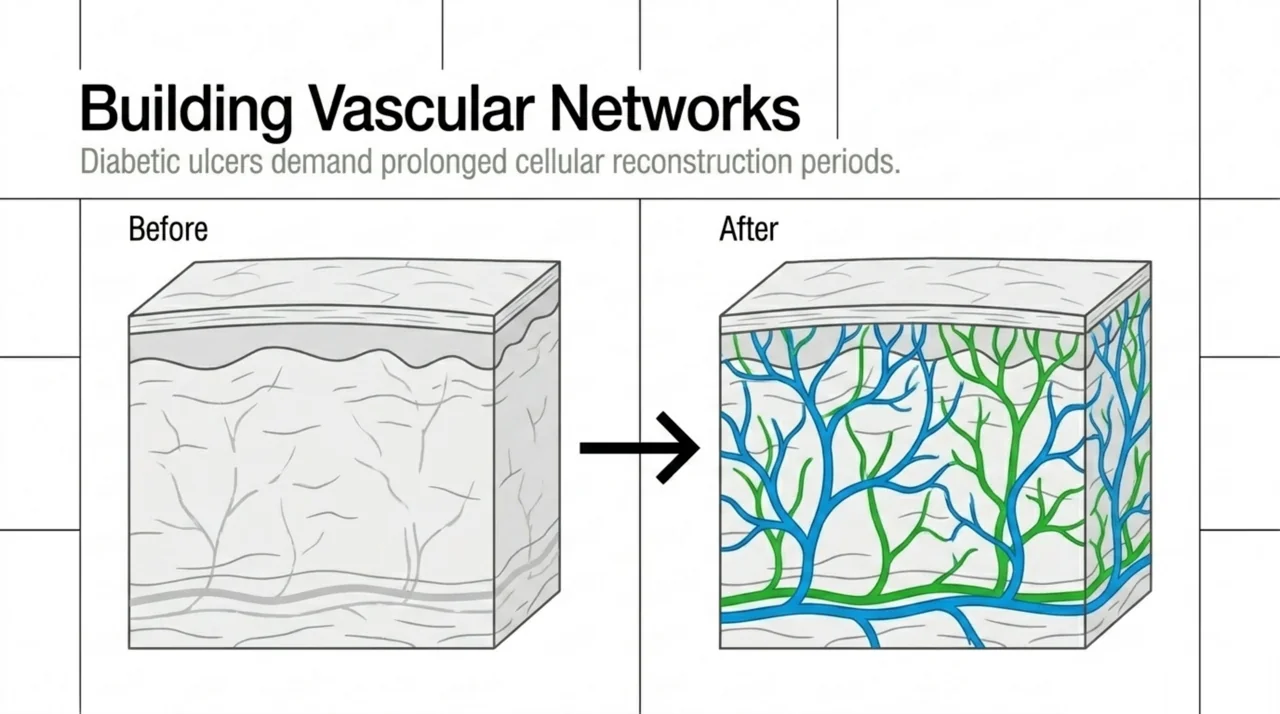
For tissue repair, the goal is to build new blood vessels and support slow healing, which takes many repeated sessions. In a 2026 systematic review of breast reconstruction salvage, treatment was usually started within the first 10 days after surgery and consisted of 10 to 20 sessions at 2.0 to 2.5 atmospheres; across 409 patients (75 of whom received HBOT), pooled estimates were associated with a flap salvage rate of about 82% (González-Flores, PubMed | Our Assessment). Wound and tissue-repair uses generally sit at the higher end of the session range.
How long does a full course of HBOT take?
Because sessions are usually given once a day on weekdays, you can roughly translate the number of sessions into calendar time. A 10-session course takes about two weeks, a 20-session course about a month, and a 40-session course about eight weeks. Treatment schedules are designed to be steady and consistent, which is why HBOT is best thought of as a short-term daily commitment rather than an occasional appointment.
For chronic conditions managed close to home, the weekday routine is easier to keep. For people in rural or northern communities, travel and accommodation are worth planning early, since the course runs over several weeks.
What happens if I miss a session?
Missing the occasional session is usually not a crisis, but consistency matters because the benefit builds up over the full course. If you have to miss a day, tell your hyperbaric team as early as you can so they can adjust your schedule. They may simply extend your course by the missed days. Never stop a prescribed course on your own without speaking to your physician, especially for wound healing or radiation-injury treatment, where the full series is part of the plan.
Will I notice results before finishing all my sessions?
Some people notice changes partway through, while others see most of the benefit only after the full course. This is normal and does not mean the treatment is failing. Your team will track measurable signs of progress, such as wound size or hearing tests, to decide whether to continue, adjust, or finish your course. The key point is that HBOT is dosed as a complete series, and the planned number of sessions is chosen to give the treatment a fair chance to work.
How many sessions do research studies use for newer conditions?
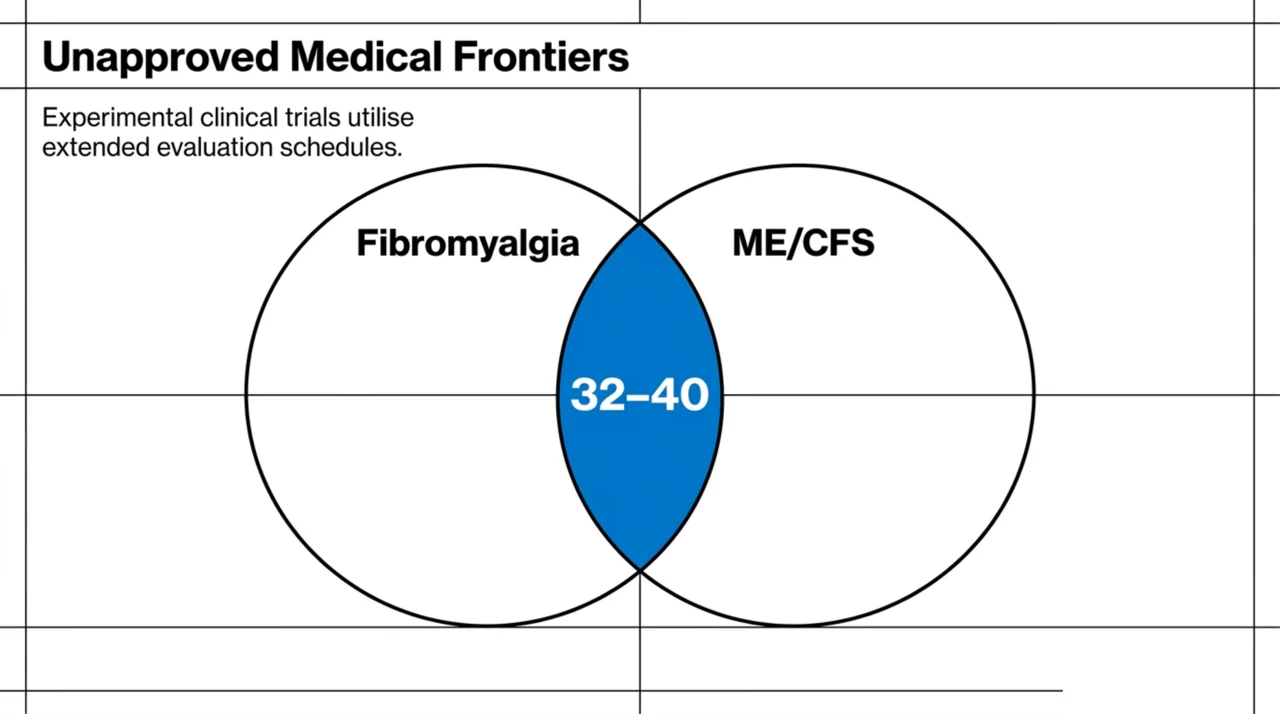
For conditions that are still being studied and are not established, approved uses, research protocols tend to use longer courses. These are investigational and should be understood as research, not standard care. For example, a 2026 prospective study of 30 people with myalgic encephalomyelitis/chronic fatigue syndrome (ME/CFS) used a course of 40 HBOT sessions and reported that physical functioning and fatigue scores improved during treatment, with good tolerability and no major adverse events (Kim, PubMed | Our Assessment).
A 2026 randomised trial in fibromyalgia (HOTFy) used a similar long course of 32 to 40 sessions, delivered at 2.3 atmospheres for 90 minutes, five times a week over eight weeks (da Mota Neto, PubMed | Our Assessment). These newer areas are promising but not yet approved indications, so always discuss the evidence and the risks with your physician before considering HBOT for an off-label use. You can read more about how we weigh the evidence on our about page.
Does provincial health insurance limit how many sessions are covered?
Coverage depends on your province and on whether your condition is an approved indication. Public plans generally fund HBOT for recognised medical conditions delivered at hospitals and eligible facilities, but the rules, approved conditions, and any session limits differ from one province to the next. Before you start, ask your hyperbaric centre what your plan covers and whether any sessions would be out of pocket. Our provincial coverage guide explains how access and funding work across Canada.
How do I find out how many sessions I need?
The only way to get your personal number is an assessment with a hyperbaric physician, usually after a referral from your family doctor or specialist. They confirm your diagnosis, check that HBOT is appropriate and safe for you, and prescribe a course length. From there, your number can still be adjusted as your team tracks your progress. Canada Hyperbarics maintains a directory of hospitals and regulated facilities to help you find an accredited programme near you.
Frequently asked questions about HBOT session counts
Is one HBOT session ever enough?
Yes, but only in specific emergencies. Acute carbon monoxide poisoning can sometimes be treated with a single session or a short series of 1 to 3 sessions. For chronic conditions such as wounds, a single session is not enough, because the healing benefit builds up over a full course.
Can I have more sessions if I am not better yet?
Sometimes. Your physician may extend your course if you are still improving and the treatment is helping. They balance the potential benefit against the time, cost, and any side effects, and they will explain their reasoning to you.
How often are the sessions scheduled?
Most courses use one session per day, five days a week, with weekends off. This steady schedule is why a 20-session course typically spans about a month.
Are mild or home chambers the same as medical HBOT?
No. Medical hyperbaric oxygen therapy is delivered at higher pressures with 100% oxygen under clinical supervision at hospitals and regulated facilities. Lower-pressure home or portable chambers are not the same treatment and are not a substitute for a prescribed medical course.
Who decides my number of sessions?
Your hyperbaric physician decides, based on your diagnosis, current evidence-based protocols, and how you respond. The session counts in this article are typical ranges for planning, not a prescription.
The bottom line on HBOT session counts
Hyperbaric oxygen therapy is given as a course, and the number of sessions follows the condition: a handful for an emergency, and 20 to 40 daily sessions for chronic healing. Real-world data and recent studies put most patients in the range of roughly 10 to 40 sessions, with a typical median near 16. Your physician sets your exact number and adjusts it as you progress. If you are exploring treatment, Canada Hyperbarics can help you find an accredited programme through our directory of hospitals and regulated facilities.
Medical disclaimer: This content is for informational purposes only and does not constitute medical advice. Hyperbaric oxygen therapy decisions, including the number of sessions, must be made by a qualified physician based on your individual diagnosis. Always consult your healthcare provider before starting or changing any treatment.