
TL;DR: Invasive fungal rhinosinusitis is a rare but life-threatening infection of the nasal and sinus tissue that mainly strikes people with weakened immune systems or poorly controlled diabetes. Hyperbaric oxygen therapy (HBOT) is a supportive treatment that is sometimes added to surgery and antifungal medication in severe cases, based mostly on case reports and mechanistic reasoning. The evidence for HBOT in this specific condition is limited and mostly observational; there is essentially no evidence in this review addressing ordinary chronic rhinosinusitis, the much more common, non-invasive sinus condition most people mean when they say “sinusitis.”
Invasive fungal rhinosinusitis is a severe infection in which fungal organisms invade the tissue of the nose and sinuses and can spread into surrounding bone, blood vessels, the eye socket, or the brain. Hyperbaric oxygen therapy (HBOT) is an adjunctive treatment that some clinicians add to surgical debridement and antifungal medication in these cases. This is a distinct and much rarer condition than typical chronic rhinosinusitis, the persistent but non-invasive sinus inflammation that affects a large share of the general population and is not addressed by the evidence in this review.
That distinction matters. A search for “hyperbaric oxygen chronic rhinosinusitis fungal sinusitis evidence” could plausibly be looking for either condition, and the research base for each is completely different. Our library, which draws on over 14,000 peer-reviewed studies, does not currently contain evidence on HBOT for routine chronic rhinosinusitis. What it does contain is a small but instructive body of work on invasive fungal sinus disease, a surgical and infectious-disease emergency where HBOT occasionally appears as an adjunct. This article reviews that evidence honestly, including its limits.
What Is Invasive Fungal Rhinosinusitis?
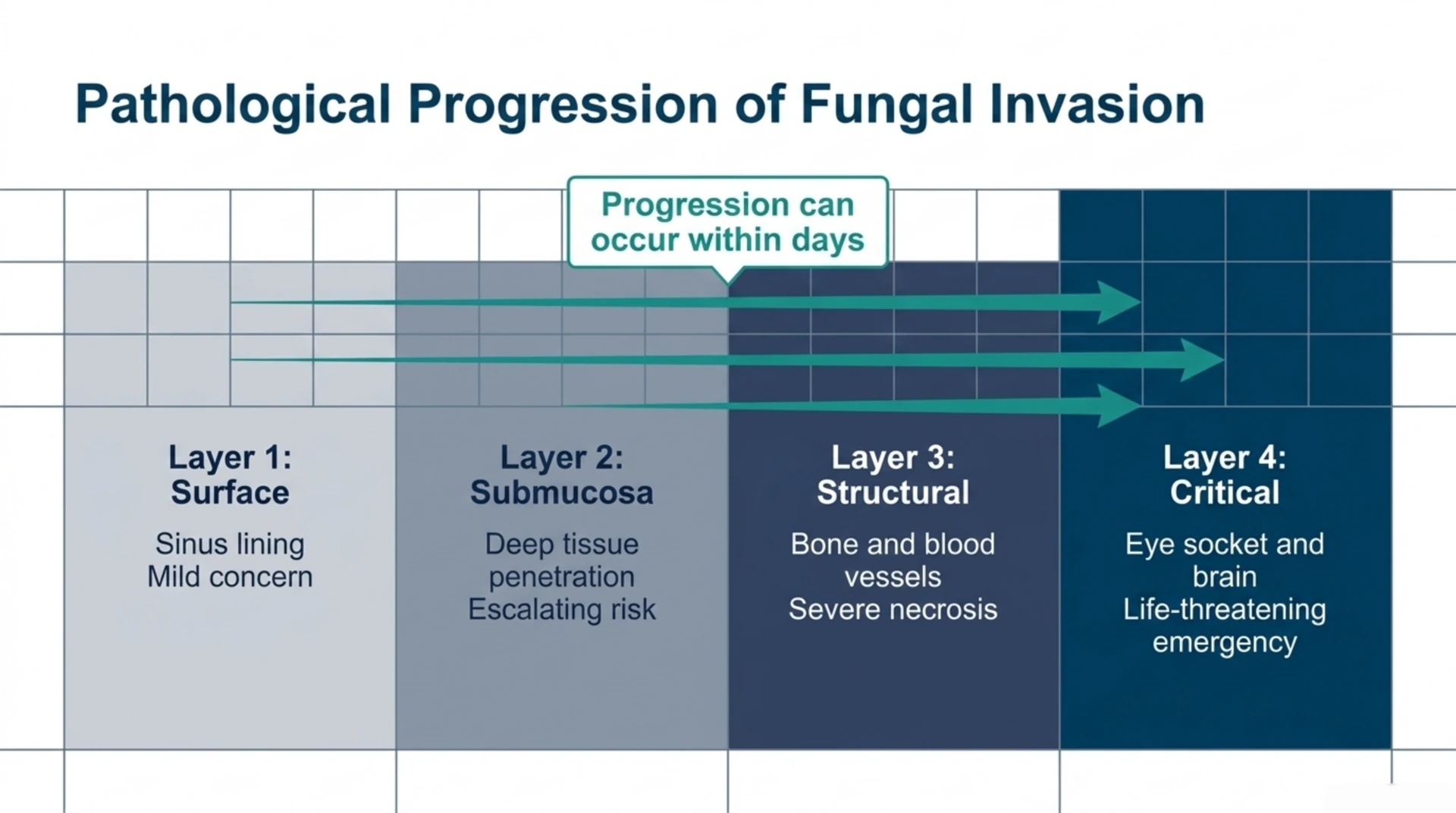
Invasive fungal rhinosinusitis occurs when fungi, most often from the Mucorales or Aspergillus families, penetrate beyond the surface of the sinus lining into deeper tissue, bone, and blood vessels. It is aggressive and can progress within days. The acute form is a medical emergency, most often affecting people with uncontrolled diabetes, neutropenia, or other immune-compromising conditions.
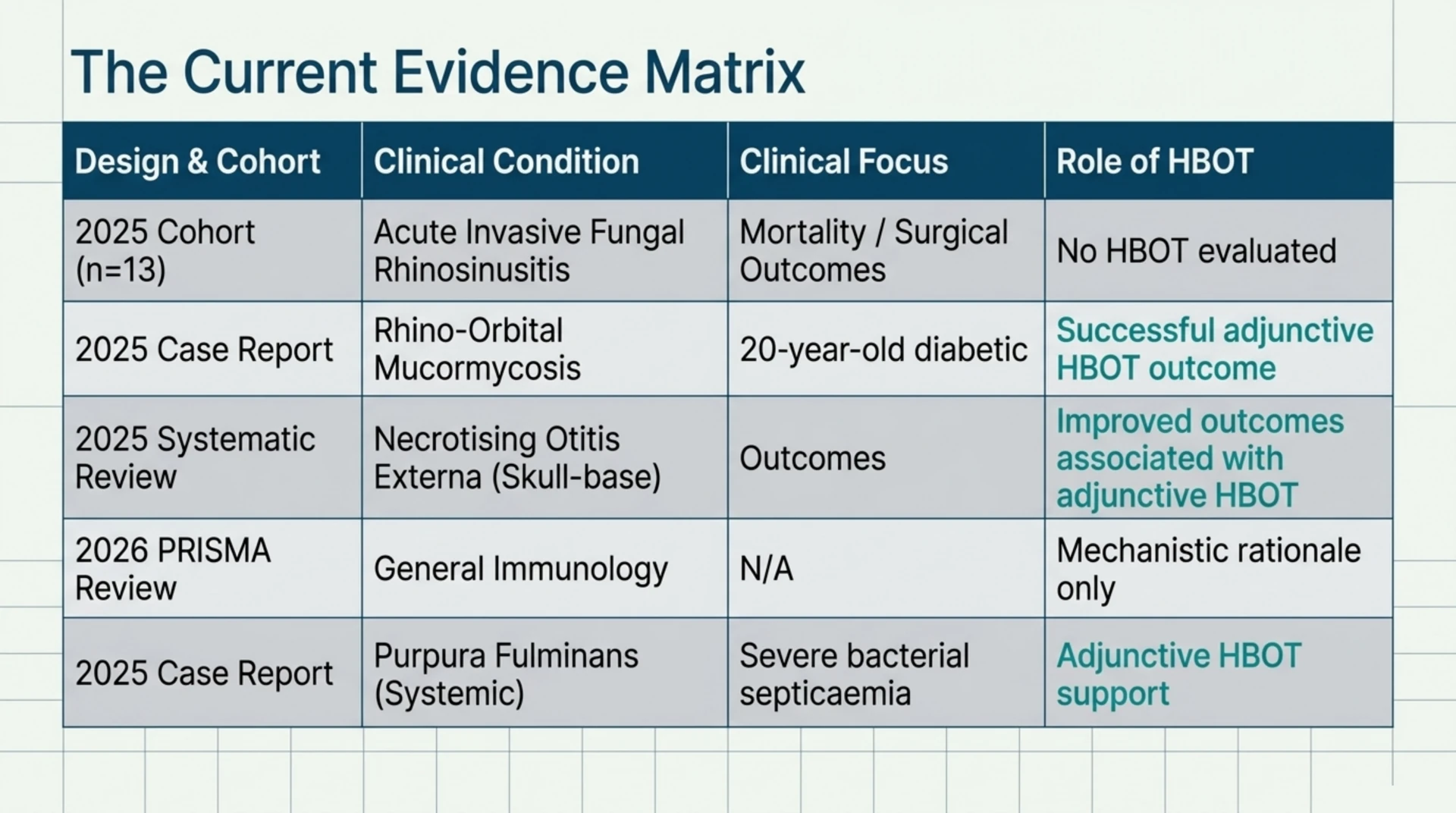
A 2025 retrospective cohort study published in Cureus (PubMed | Our Assessment) characterized 13 patients with acute invasive fungal rhinosinusitis (AIFRS), documenting their clinical features, the microbes involved, and treatment outcomes. The study underscores how serious this condition is: within this small cohort, mortality and the need for extensive surgical intervention were substantial. The study establishes just how high the stakes are with AIFRS, though it was designed to characterize the disease and its surgical outcomes rather than primarily to test hyperbaric oxygen as a treatment; it does note that three of the 13 patients received adjunctive HBOT with no reported fatalities. That distinction is important; a subgroup of three is too small to draw conclusions about HBOT’s effect, so the study still tells us more about the disease’s severity than about HBOT’s effect on it.
Where Does Hyperbaric Oxygen Fit Into Treatment?
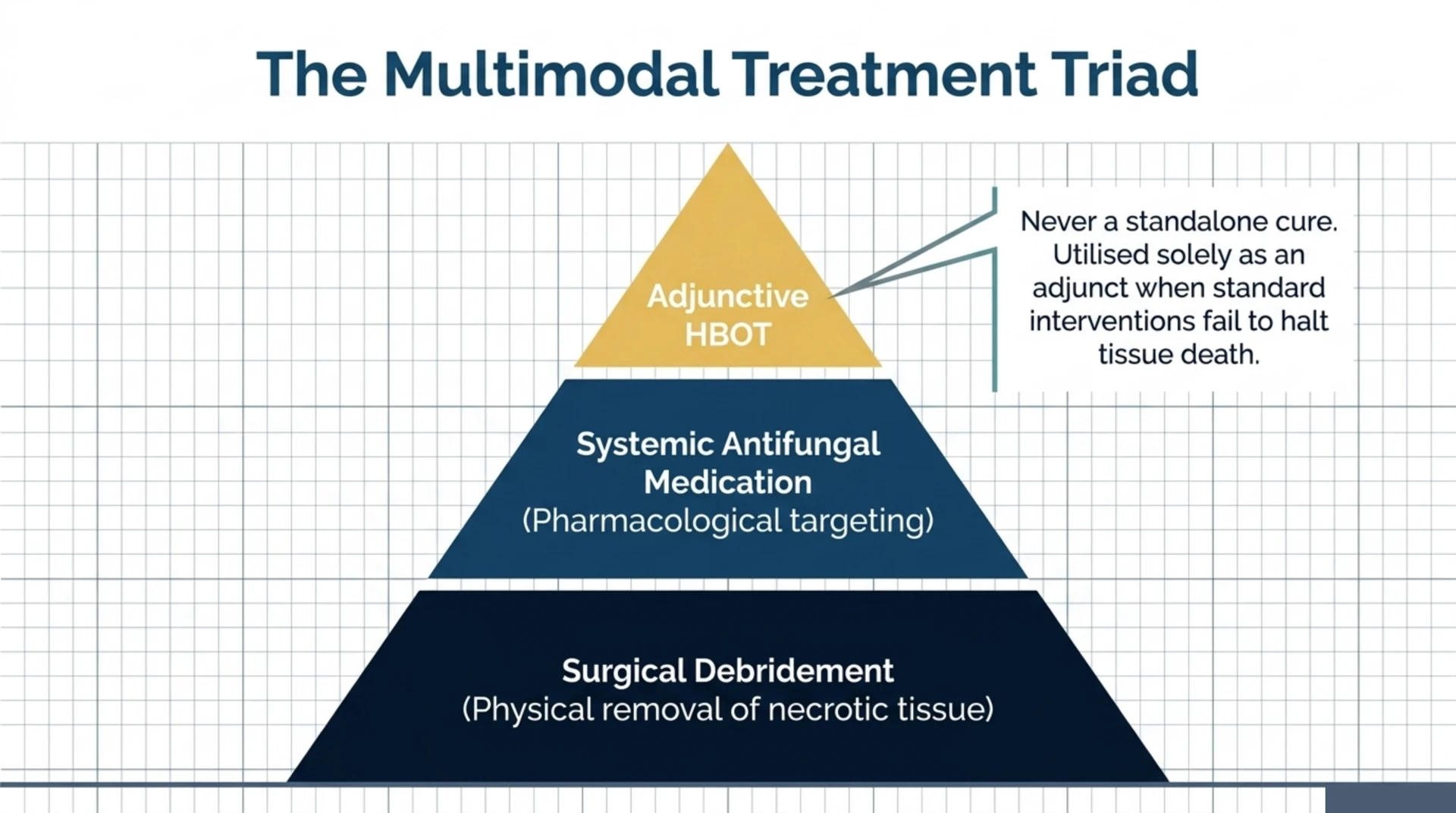
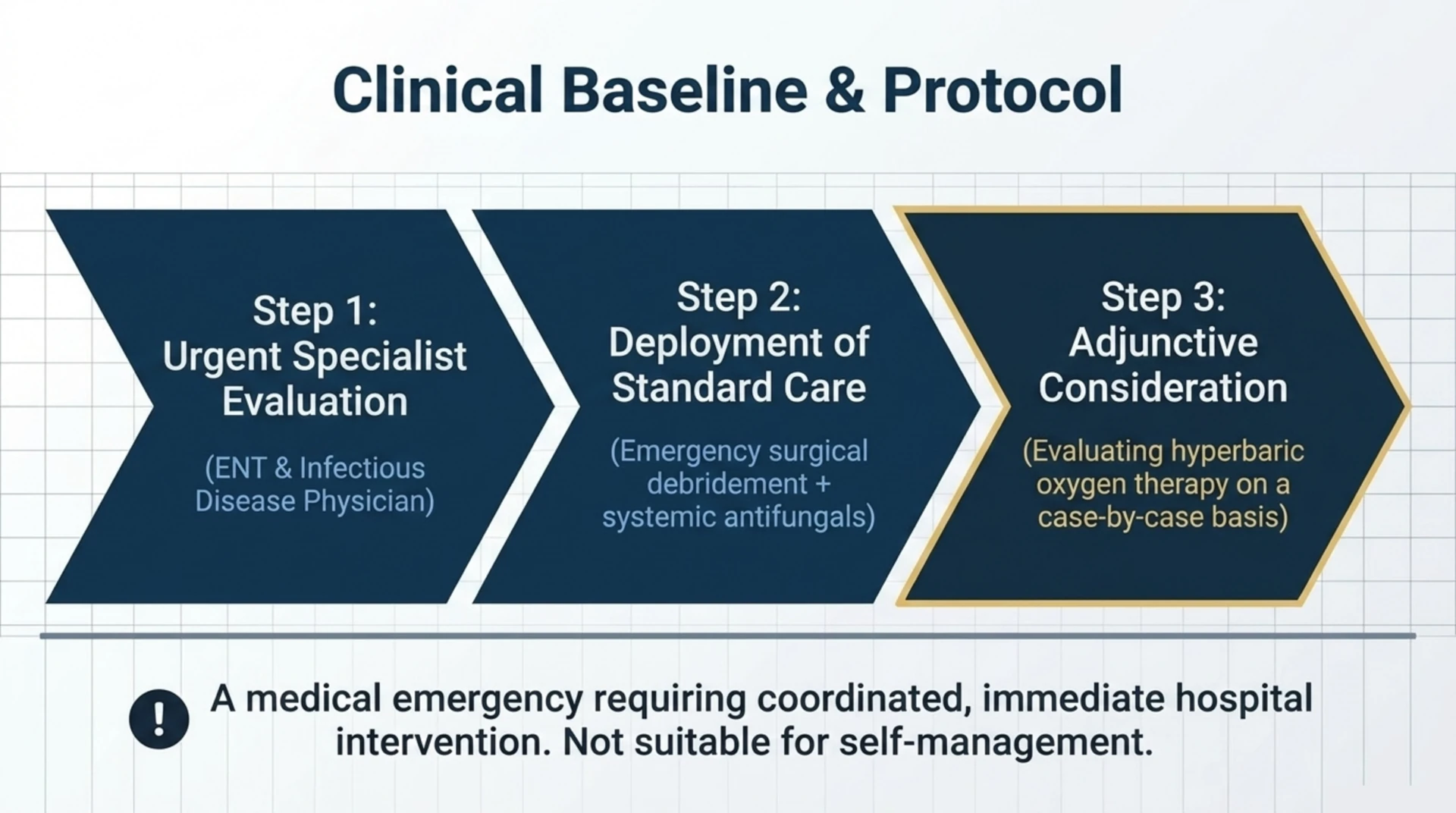
Because standard treatment for invasive fungal sinusitis, surgical debridement plus systemic antifungal drugs, does not always prevent tissue death or halt disease spread, clinicians in some centres add HBOT as a supplemental therapy. The reasoning is that fungal invasion is worsened by poor local blood supply and low oxygen tension in damaged tissue, and that additional oxygen delivery may support the body’s own defenses and improve the effectiveness of surgery and antifungals.
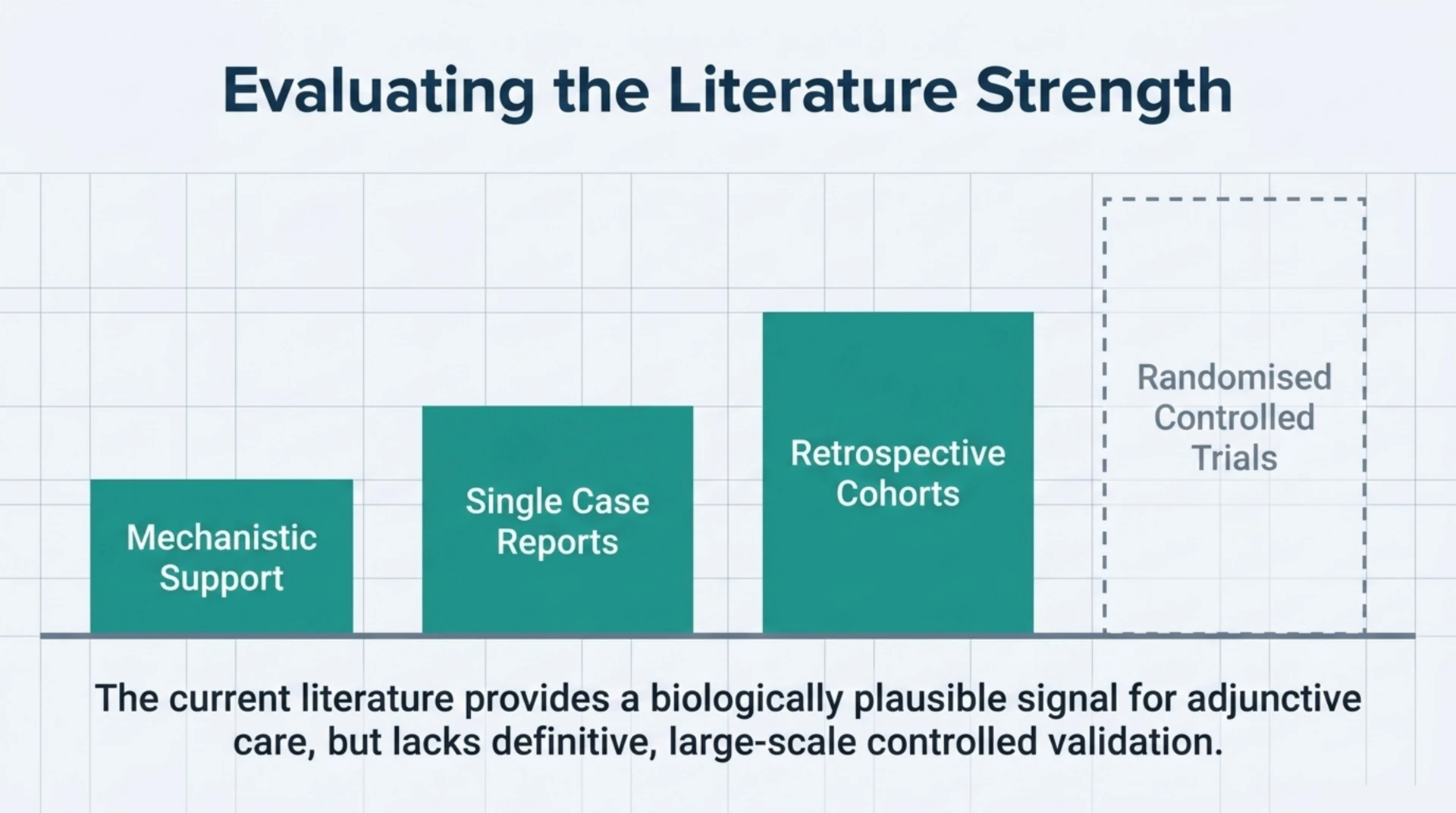
A 2025 case report in Cureus (PubMed | Our Assessment) described a 20-year-old patient with diabetes who developed rhino-orbital mucormycosis, a fungal infection that spreads from the sinuses into the eye socket. The patient’s treatment combined surgery, antifungal therapy, and adjunctive hyperbaric oxygen therapy, and the outcome was successful. As a single case report, this cannot establish that HBOT caused the good outcome; it can only show that HBOT was used alongside standard care in one patient who recovered.
Evidence from a closely related condition offers a broader, slightly stronger signal. A 2025 systematic review in the International Archives of Otorhinolaryngology (PubMed | Our Assessment) evaluated HBOT as an adjunctive treatment for necrotizing otitis externa, an invasive infection of the ear canal and skull base that, like invasive fungal sinusitis, involves aggressive tissue invasion near the sinuses and skull base and shares much of the same underlying rationale for oxygen-based adjunctive care. The review was compiled from the existing published literature on the condition, which is composed largely of case reports and case series rather than randomised trials, so its conclusions should be read as suggestive rather than definitive. The review found that adding HBOT alongside antimicrobial therapy was associated with reports of improved outcomes in the case literature it reviewed, though the authors’ own source material carries the same design limitations described above.
Is There a Biological Rationale for HBOT in Fungal Infections?
Mechanistic research offers some support for why HBOT might help in severe infections generally, including invasive fungal disease. A 2026 narrative review in Frontiers in Immunology, conducted following PRISMA 2020 guidelines (PubMed | Our Assessment) synthesized evidence on how hyperbaric oxygen affects immune cell function and inflammatory signaling. The review describes HBOT as capable of modulating immune effector responses, which is a plausible mechanism for why added oxygen might help tissue fight off an aggressive fungal invasion when paired with surgery and drugs. As a narrative review of mechanistic and immunological data, it does not itself measure clinical outcomes in fungal sinusitis patients, so it should be read as biological rationale, not proof of clinical benefit.
There is also precedent for HBOT as an adjunct in other severe, rapidly progressing infections, which supports the general logic clinicians apply to invasive fungal disease. A 2025 case report in Cureus (PubMed | Our Assessment) described a 25-year-old man with severe bloodstream infection and rapidly progressing skin necrosis who received adjunctive HBOT alongside standard critical care. Again, a single case cannot establish that HBOT changed the outcome, but it illustrates the same pattern seen across this literature: HBOT used as one component of aggressive, multimodal treatment for tissue-destroying infections.
What About Chronic Rhinosinusitis?
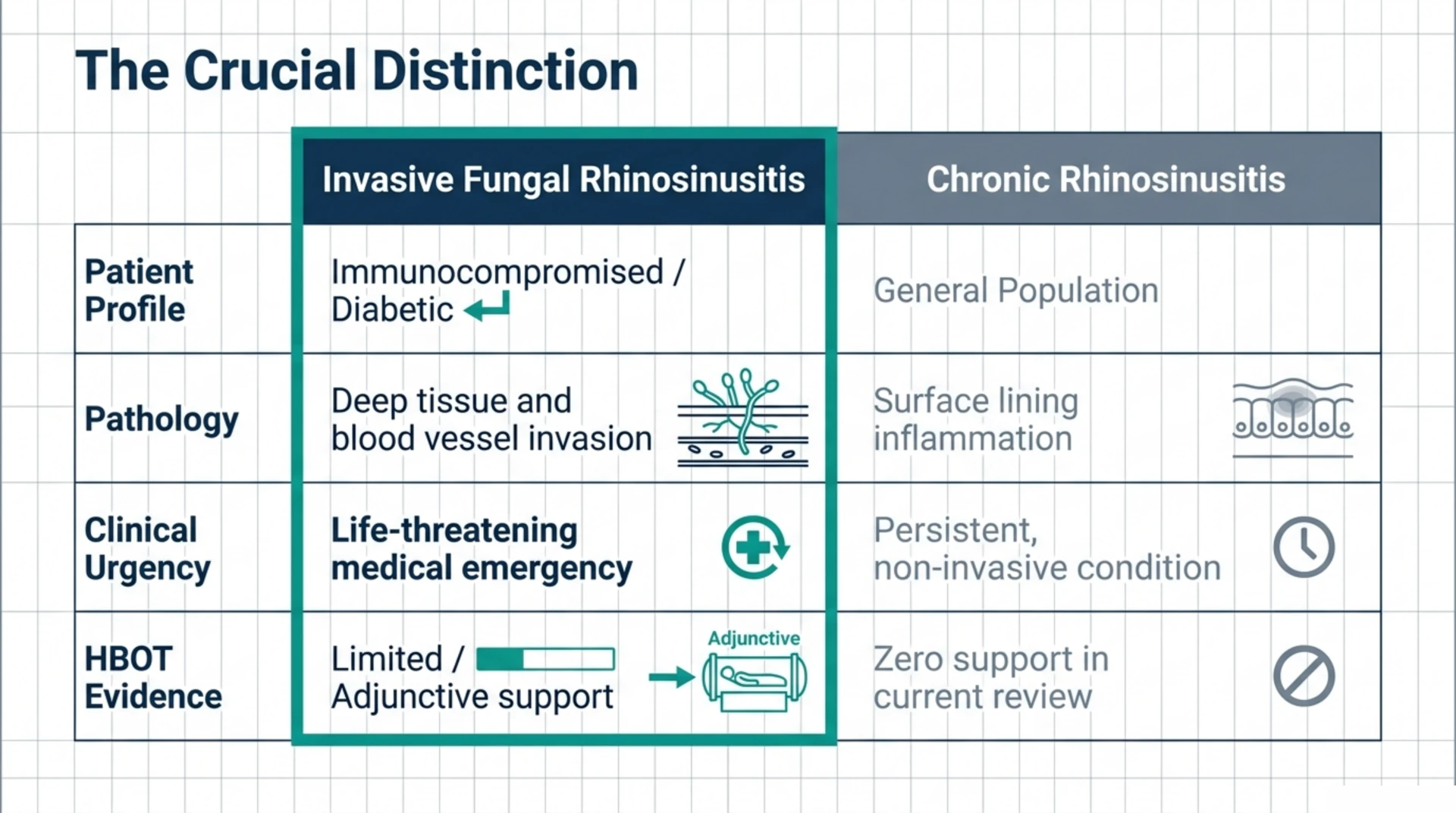
It is worth being direct about this: none of the studies in our current evidence base evaluate HBOT for typical chronic rhinosinusitis, the common condition involving persistent sinus inflammation, congestion, and drainage problems that is not invasive and does not threaten life or limb. The studies reviewed here all concern acute, tissue-invading fungal infections in immunocompromised or diabetic patients, a fundamentally different clinical picture. Readers searching for HBOT evidence specific to routine chronic sinusitis will not find support for that use in this review, and we do not want to imply otherwise.
Comparing the Available Evidence
| Study | Design | Condition | Role of HBOT |
|---|---|---|---|
| Acute Invasive Fungal Rhinosinusitis Cohort (2025) | Retrospective cohort, n=13 | Acute invasive fungal rhinosinusitis | Not evaluated; documents mortality/surgical outcomes |
| Rhino-Orbital Mucormycosis Case Report (2025) | Single case report | Rhino-orbital mucormycosis | Adjunctive, alongside surgery and antifungals |
| Necrotizing Otitis Externa Systematic Review (2025) | Systematic review of case literature | Necrotizing otitis externa (related skull-base infection) | Adjunctive; associated with reported improved outcomes |
| Immune Modulation Narrative Review (2026) | Narrative/PRISMA review | General immunology, not disease-specific | Mechanistic rationale only |
| Purpura Fulminans Case Report (2025) | Single case report | Severe bacterial septicemia (not fungal) | Adjunctive, alongside critical care |
Frequently Asked Questions
What is invasive fungal rhinosinusitis?
It is a severe fungal infection of the nasal and sinus tissue that invades beyond the surface lining into bone, blood vessels, or the eye socket. It progresses quickly and is considered a medical emergency, primarily affecting people with uncontrolled diabetes or a weakened immune system.
Is invasive fungal rhinosinusitis the same as chronic rhinosinusitis?
No. Chronic rhinosinusitis is a common, non-invasive, long-term inflammation of the sinuses. Invasive fungal rhinosinusitis is rare, acute, and life-threatening. The evidence discussed here applies only to the invasive fungal form.
How is hyperbaric oxygen thought to help fungal infections?
The proposed mechanism is that added oxygen may support tissue that has poor blood supply due to fungal invasion, and may help modulate immune cell activity, based on mechanistic review evidence. This is a plausible rationale rather than a clinically proven mechanism specific to fungal sinus disease.
Does hyperbaric oxygen cure fungal sinusitis on its own?
No study in this review supports HBOT as a standalone treatment. In every case described, HBOT was used as an adjunct alongside surgical debridement and antifungal medication, never in place of them.
Who is most at risk of invasive fungal rhinosinusitis?
People with uncontrolled diabetes, neutropenia, or other conditions that suppress immune function are at the highest reported risk in the case literature reviewed here.
Is hyperbaric oxygen therapy covered by provincial health insurance for this condition?
Coverage varies and is not established for this indication in the current evidence base. Readers can review general HBOT coverage information in Canada at our HBOT coverage overview.
Should someone with chronic sinus symptoms consider HBOT based on this evidence?
No. This evidence concerns acute, invasive fungal disease, not ordinary chronic sinusitis, and should not be generalized to that much more common and far less severe condition.
Related Reading
- HBOT for Complex Regional Pain Syndrome: The Evidence Gap
- HBOT for Radiation-Induced Dry Mouth: The Evidence Gap
- HBOT for Chronic Fatigue Syndrome: A Service-Line Briefing
A Note on Next Steps
Canada Hyperbarics publishes these evidence reviews to summarise what the peer-reviewed literature does and does not establish. Invasive fungal rhinosinusitis is a medical emergency that requires urgent evaluation by an ear, nose, and throat specialist and an infectious disease physician; it is not something to self-manage. Anyone with sinus symptoms, whether routine or severe, should talk to their physician about whether their condition warrants further investigation and whether hyperbaric oxygen therapy could be appropriate as part of their care plan.
This Canada Hyperbarics review is for informational purposes only and is not medical advice.