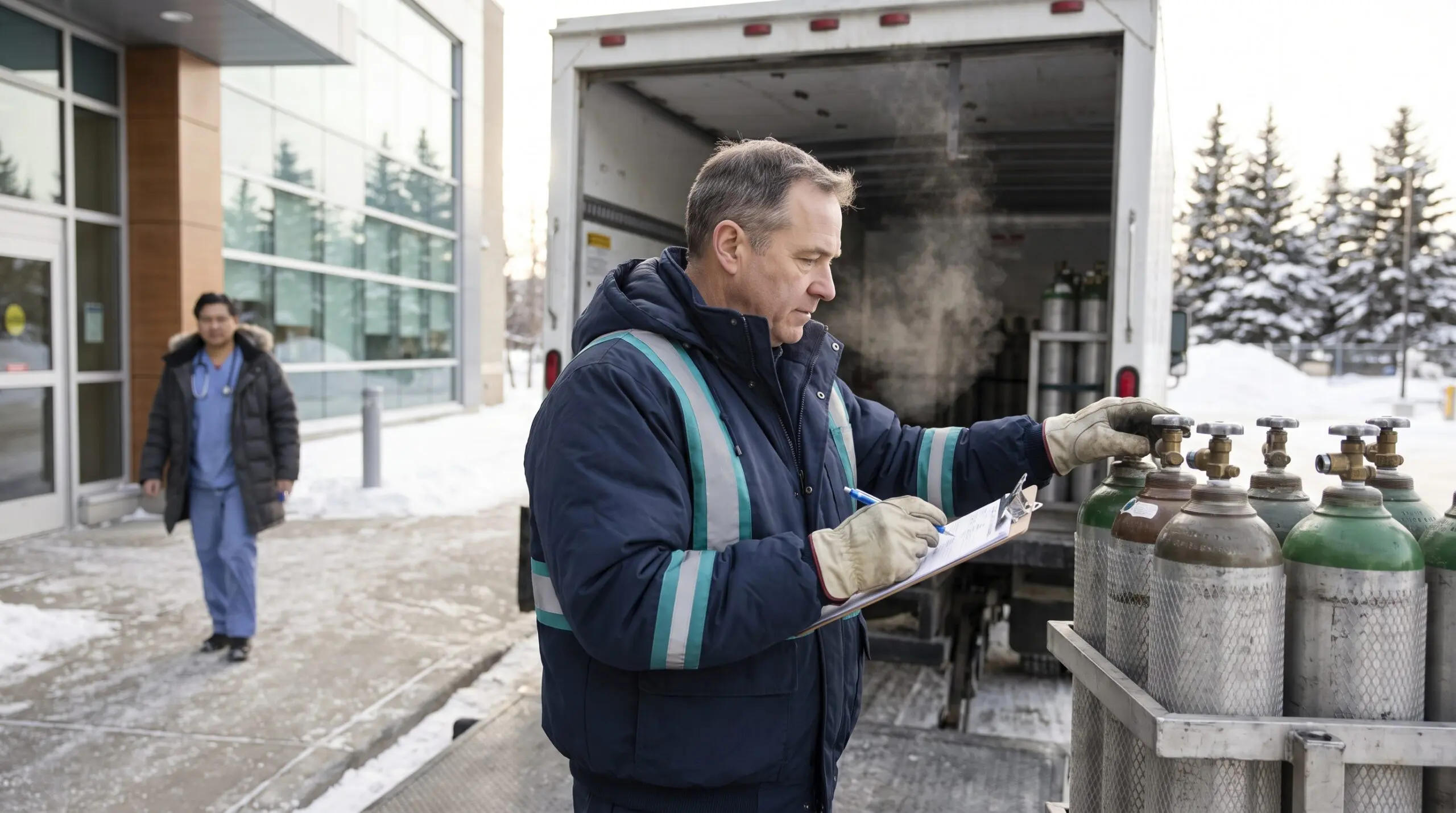
TL;DR: A medical oxygen supply chain is the network of production, delivery, storage and quality checks that gets medical grade oxygen from a certified supplier into a hyperbaric clinic’s chamber intake system. For a clinic owner operator, managing this chain means choosing between bulk liquid oxygen, cylinder delivery and on site concentrators, scheduling deliveries before stock runs low, and keeping the paperwork that regulators expect. A well managed supply chain reduces the odds of a cancelled appointment because of a supply gap and keeps front desk staff from scrambling to reschedule patients.
Every hyperbaric clinic depends on a steady, verifiable source of medical grade oxygen. The medical oxygen supply chain hyperbaric clinic operators build and maintain determines whether a chamber can run its scheduled sessions on any given day. This post walks through where that oxygen comes from, how clinics keep supply reliable, and what questions an operator should ask a supplier before signing a contract. It is a process and logistics overview, not a clinical guide, so it focuses on sourcing, delivery, storage and recordkeeping rather than what happens inside a session.
What Is a Medical Oxygen Supply Chain for a Hyperbaric Clinic?
A hyperbaric clinic’s oxygen supply chain covers everything between the point of production and the point where oxygen enters the chamber system. That includes the supplier that manufactures or compresses the gas, the distributor that transports it, the clinic’s on site storage and piping, and the inspection and testing steps that confirm purity before use.
The chain looks different depending on a facility’s size and location. A large multi chamber operation and a single chamber clinic in a smaller community rely on the same basic building blocks, a supplier, a transporter, on site storage and a testing step, but the specific arrangement of each block can vary quite a bit.
In Canada, medical oxygen is regulated as a drug, which means suppliers must hold the appropriate licences and clinics must keep records showing where each batch or delivery came from. The supply chain is as much a compliance system as a logistics one. For details on the regulatory framework that governs facility operation more broadly, see our regulatory overview.
Where Does Medical Oxygen Come From?
Most clinics source oxygen through one of three delivery models, and many use a combination depending on chamber size and patient volume.
Bulk Liquid Oxygen
Larger clinics, or those running multiple chambers, often use bulk liquid oxygen stored in an insulated tank on site. A supplier truck tops up the tank on a set schedule, and the liquid oxygen converts to gas as it is drawn into the building’s piping system. This model reduces how often deliveries need to happen, but it requires dedicated outdoor space and a fill schedule that accounts for weather delays.
Compressed Gas Cylinders
Smaller clinics, or those just getting started, frequently rely on compressed oxygen cylinders delivered in batches. Cylinders are easier to store in a smaller footprint and do not require the same infrastructure as a bulk tank, but they need more frequent reordering and careful tracking so a clinic never runs short mid week.
On Site Oxygen Concentrators
Some facilities generate oxygen on site using concentrators, which pull ambient air and separate out oxygen using filtration and pressure swing technology. This removes the need for regular external deliveries altogether, though it shifts the maintenance burden to the equipment itself, with filters and compressors that need scheduled servicing.
| Supply Method | Typical Clinic Size | Delivery Frequency | Main Operational Consideration |
|---|---|---|---|
| Bulk liquid oxygen | Multi chamber or high volume | Scheduled tank fills, roughly monthly | Requires outdoor tank space and fill route access |
| Compressed cylinders | Single chamber or lower volume | Weekly to biweekly | Needs careful inventory tracking to avoid shortfalls |
| On site concentrator | Any size, as a supplement or primary source | No external delivery once installed | Requires scheduled filter and compressor maintenance |
How Do Clinics Manage Oxygen Supply Reliability?
A reliable supply chain is built on a few repeatable habits rather than any single piece of equipment.
Backup Supply Planning
Most established clinics keep a secondary supply option on standby, whether that is a backup cylinder bank alongside a bulk tank, or a second supplier contract that can be activated if the primary delivery is delayed. Having a documented backup plan is one of the simplest ways to protect a clinic’s daily schedule from a single point of failure, like a missed delivery truck or a supplier’s own shortage.
Delivery Scheduling and Inventory Tracking
Clinics that track usage closely can schedule reorders before stock gets low, rather than reacting after the fact. A simple log of tank or cylinder levels checked at the start and end of each day gives front desk and clinical staff enough lead time to flag a supply concern before it affects bookings.
Many clinics use a shared spreadsheet or a dedicated inventory app to log tank levels and cylinder counts across shifts. Whichever tool is used, the goal is the same: give whoever handles ordering enough visibility to place a reorder several days before supply is likely to run low, rather than reacting to an empty tank gauge. This kind of tracking helps a clinic avoid last minute rescheduling, which is disruptive for patients who have arranged transportation or time off work around an appointment.
Working With a Qualified Supplier
Not every industrial gas supplier is set up to deliver medical grade oxygen. Clinics should confirm a supplier’s certification, ask how batches are tested for purity, and understand what documentation comes with each delivery. This paperwork trail matters both for day to day operations and for any regulatory review of the facility.
Why Does Distance and Weather Affect Oxygen Delivery Planning in Ontario?
Clinics located outside major urban centres often build extra buffer time into their reorder schedules. Winter storms, road closures and longer trucking routes can all push a scheduled delivery back by a day or more, and a clinic that only reorders when supply is nearly gone has little room to absorb that kind of delay.
Building a buffer of one to two extra weeks of stock, whichever supply method a clinic uses, gives staff time to arrange an alternate delivery or draw from backup cylinders without touching the booking calendar. This kind of planning is especially relevant for facilities in Northern Ontario, where a single highway closure can delay a delivery truck by a full day or more.
What Regulatory Standards Govern Medical Oxygen in Canada?
Medical oxygen used in a Canadian hyperbaric facility is subject to health product regulation, and the facility itself typically operates under provincial and federal oversight depending on how it is structured. Clinic operators are expected to maintain delivery records, storage logs and supplier certifications that can be produced on request. For a fuller picture of how Canada Hyperbarics approaches this oversight, visit our regulatory page, and for how costs and coverage questions intersect with facility operations, see our coverage overview.
Keeping accurate records is not optional paperwork, it is the mechanism regulators use to confirm a clinic’s oxygen supply is safe and traceable. A missing invoice or an undocumented delivery can complicate an inspection even when the oxygen itself was never in question.
How Does Supply Chain Reliability Affect Patient Scheduling?
When a clinic’s oxygen supply is well managed, patients experience fewer cancelled or rescheduled sessions. A dependable supply chain, paired with clear booking software and a maintained backup plan, helps reduce wait times for new patients and keeps existing treatment schedules on track. These are logistical benefits of good supply chain management, not claims about what happens during a session.
Some patients are referred to hyperbaric facilities for a range of conditions that clinicians may consider HBOT for as part of broader care. If you are researching a specific condition, our conditions overview is the right place to look at what is being studied, rather than this operational post.
What Should Clinic Operators Ask Their Oxygen Suppliers?
Before signing or renewing a supply contract, operators typically confirm a short list of details with any prospective oxygen supplier.
- Is the oxygen certified as medical grade, and can the supplier provide batch documentation?
- What is the standard delivery schedule, and what happens if a delivery is delayed?
- Is there an emergency or after hours contact for urgent supply issues?
- What backup capacity does the supplier maintain during regional shortages or severe weather?
- How are cylinders or tanks inspected and maintained between deliveries?
Canada Hyperbarics maintains relationships with certified suppliers as part of keeping its facilities’ schedules dependable, and encourages operators evaluating their own supply arrangements to ask these same questions early rather than after a shortfall.
Frequently Asked Questions
What is a medical oxygen supply chain?
It is the full path medical grade oxygen travels from a certified producer or distributor to a clinic’s storage and delivery system, including the testing and documentation steps along the way.
How often do hyperbaric clinics need oxygen deliveries?
It depends on the supply method. Bulk liquid tanks are typically filled on a monthly schedule, while cylinder based clinics often reorder weekly or biweekly based on usage.
What happens if a clinic’s oxygen delivery is delayed?
Clinics with a backup plan, such as a secondary cylinder bank or an alternate supplier, can usually continue operating without disruption. Clinics without a backup may need to reschedule appointments until supply resumes.
Can a hyperbaric clinic generate its own oxygen on site?
Yes, some facilities use on site concentrators that separate oxygen from ambient air, which reduces reliance on external deliveries but adds equipment maintenance responsibilities.
Who regulates medical oxygen used in Canadian hyperbaric facilities?
Medical oxygen is regulated as a health product in Canada, and facilities are expected to keep supplier certifications and delivery records available for review. See our regulatory page for more detail.
Where can I learn more about a specific condition connected to hyperbaric referrals?
Our conditions overview lists areas where HBOT is studied and referenced, separate from this post’s focus on supply logistics.
Does Canada Hyperbarics operate its own supply chain for facilities?
No. Canada Hyperbarics does not operate hyperbaric facilities or manage their oxygen supply; this guide describes practices clinic operators can use when evaluating their own supply arrangements. Visit our facilities page for more on where care is provided.
Related Reading
- Hyperbaric Chamber Sterilization & Infection Control
- Cold or Sinus Congestion Before Hyperbaric Oxygen Therapy?
- Hyperbaric Oxygen for Non-Union Fracture Healing: Evidence
This content is for informational purposes only and is not medical advice.
To see where medical grade oxygen supply chains like this one support patient care, visit our hospitals and regulated facilities page.